Wine in the Pot and in the Glass – How to Choose the Right Wine for Your Meal

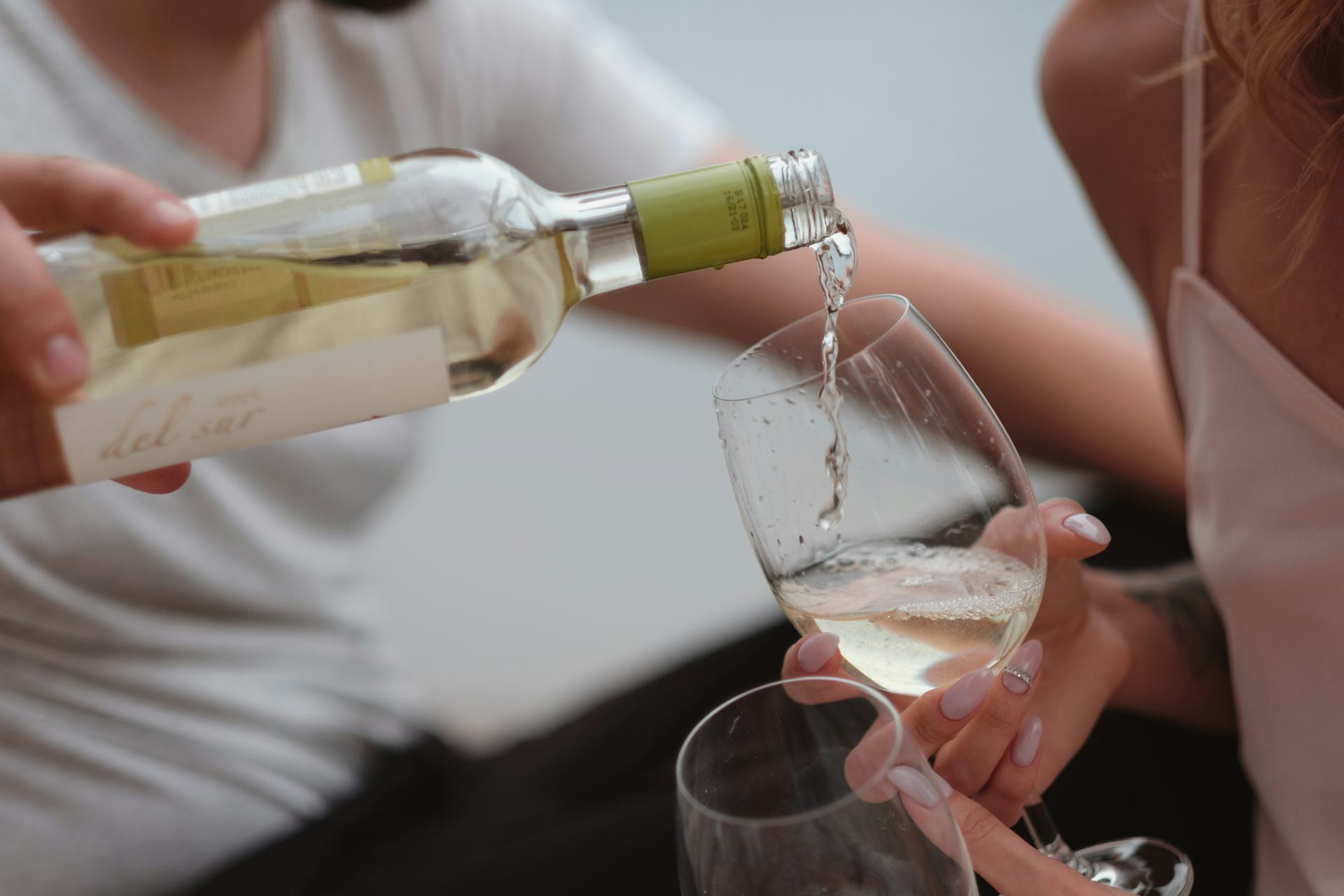
Wine in the Pot and in the Glass – How to Choose the Right Wine for Your Meal
Wine can turn an ordinary dinner into something memorable – both when it’s poured into the pot and when it’s poured into your glass. But how do you choose the right wine to complement your meal, and when does it make sense to cook with wine? Here’s a guide to help you get the most out of wine’s flavor, both in the kitchen and at the table.
Cooking with Wine – Why It Works
When you add wine to a dish, it’s not about making it boozy; it’s about adding depth and complexity. Wine brings acidity, sweetness, and aroma that tie flavors together and give a dish character.
- Red wine is great for stews, braises, and sauces with beef, lamb, or game. It adds body and a touch of bitterness that complements rich, hearty flavors.
- White wine works beautifully with fish, shellfish, chicken, and vegetable dishes. Its acidity brightens flavors and balances richness.
- Dessert wine can be used in sauces, marinades, or to caramelize fruit – but use it sparingly, as its sweetness can easily dominate.
A good rule of thumb: cook with a wine you’d actually drink. It doesn’t have to be expensive, but avoid the cheapest bottles – poor-quality wine can leave a harsh or flat taste once the alcohol cooks off.
Læs også:

Choosing the Right Wine for the Table
Pairing wine with food is all about balance. The wine and the dish should enhance each other, not compete. Here are a few basic principles to guide you:
- Match intensity: Light dishes call for lighter wines, while bold, rich dishes need wines with more body and structure.
- Think about the sauce: Often, it’s the sauce – not the protein – that determines the best wine pairing. Creamy sauces pair well with round, full-bodied wines, while tomato-based or acidic sauces need wines with freshness and bright acidity.
- Balance flavors: Fatty foods benefit from wines with acidity, while salty dishes can make a wine’s fruitiness shine.
- Consider the cooking method: Grilled, roasted, or braised foods develop smoky or caramelized notes that pair nicely with wines aged in oak or with mature flavors.
Classic Pairings That Rarely Fail
While taste is personal, some combinations are tried and true:
- Beef and red wine: A full-bodied cabernet sauvignon or syrah complements steak or slow-cooked beef dishes.
- Poultry and white wine: A lightly oaked chardonnay pairs beautifully with creamy chicken dishes, while a crisp sauvignon blanc suits lighter preparations.
- Fish and seafood: Try a dry riesling or a bright albariño to highlight the freshness of the sea.
- Pasta with tomato sauce: Italian reds like sangiovese or barbera match the acidity and herbs in tomato-based dishes.
- Cheese and wine: Soft cheeses such as brie or camembert pair well with white wines, while strong blue cheeses call for sweetness – think port or a late-harvest dessert wine.
When Wine Meets the Pot and the Glass
If you’re using wine both in your cooking and in your glass, you can create a beautiful harmony. Use the same type of wine in the dish as you plan to serve – it ties the flavors together.
For example, a beef stew made with pinot noir will taste even better when served with a glass of the same varietal. Likewise, a seafood dish with a white wine sauce will shine when paired with that same wine at the table.
Keep in mind that wine changes as it cooks. The alcohol and some acidity evaporate, leaving behind deeper, more concentrated flavors. Taste as you go, and if the dish feels flat, add a splash of fresh wine at the end to bring it back to life.
Wine for Vegetarian Dishes
Pairing wine with vegetables can be tricky, since some have bitter notes that clash with tannins. But with the right choices, you can create wonderful combinations:
- Tomato or pepper-based dishes: Try a light red like pinot noir or grenache.
- Mushrooms and lentils: Earthy reds such as merlot or tempranillo work well.
- Citrus or herb-forward dishes: A crisp white like sauvignon blanc or vermentino adds balance.
- Grilled vegetables: A structured rosé can be a great match.
Remember – Taste Is Personal
There are no strict rules, only guidelines. The most important thing is that you enjoy the pairing. Wine and food are about pleasure, not perfection.
Experiment, taste as you go, and don’t be afraid to break the “rules.” You might discover that a chilled red works beautifully with salmon, or that a dry white can elevate a pork dish.
A Feast for All the Senses
When wine and food come together, a meal becomes more than just nourishment – it becomes an experience. The aromas, flavors, and atmosphere blend into something memorable.
So next time you’re cooking, think not only about what goes into the pot, but also what goes into the glass. The right wine can turn even a simple weeknight dinner into something special.
Læs også: