Grape Varieties Explained: Taste, Color, and Texture in the World of Wine

Grape Varieties Explained: Taste, Color, and Texture in the World of Wine
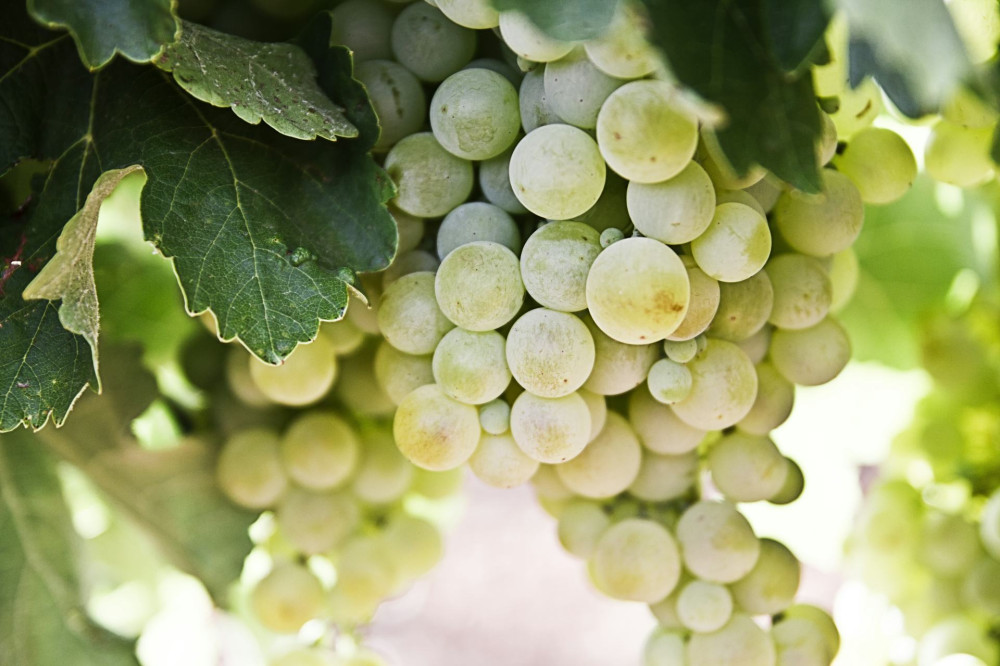
When you pour a glass of wine, it’s easy to forget that everything begins with a grape. Behind every bottle lies a grape variety with its own personality – from crisp, mineral-driven whites to bold, tannic reds. Understanding grape varieties is the key to understanding a wine’s taste, color, and texture. Here’s a guide to some of the most well-known grapes and what makes them unique.
Why the Grape Variety Matters
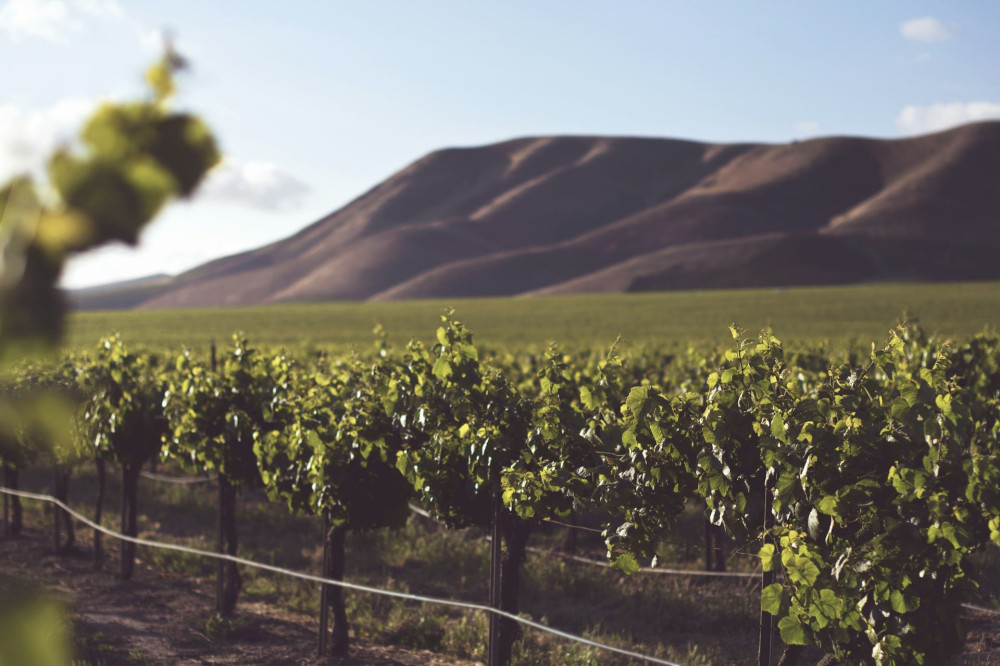
The grape is the foundation of any wine. It largely determines the wine’s aroma, color, acidity, and body. Of course, climate, soil, and the winemaker’s choices also play a role, but the grape sets the tone. Some varieties thrive in cool climates, developing freshness and high acidity, while others need warmth to ripen fully and produce richer, fuller wines.
That’s why the same grape can taste completely different depending on where it’s grown. A Chardonnay from Burgundy won’t taste like one from California, but both express the essence of the same grape.
Læs også:
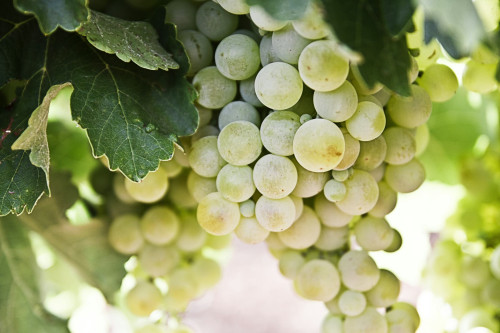

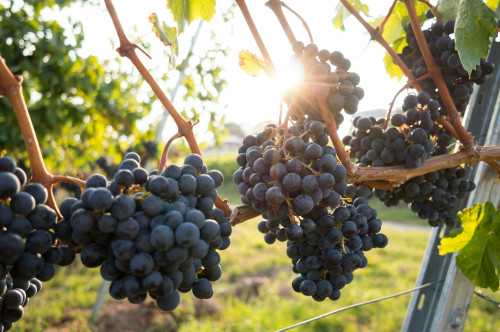
Classic White Grapes
Chardonnay – The Queen of Versatility
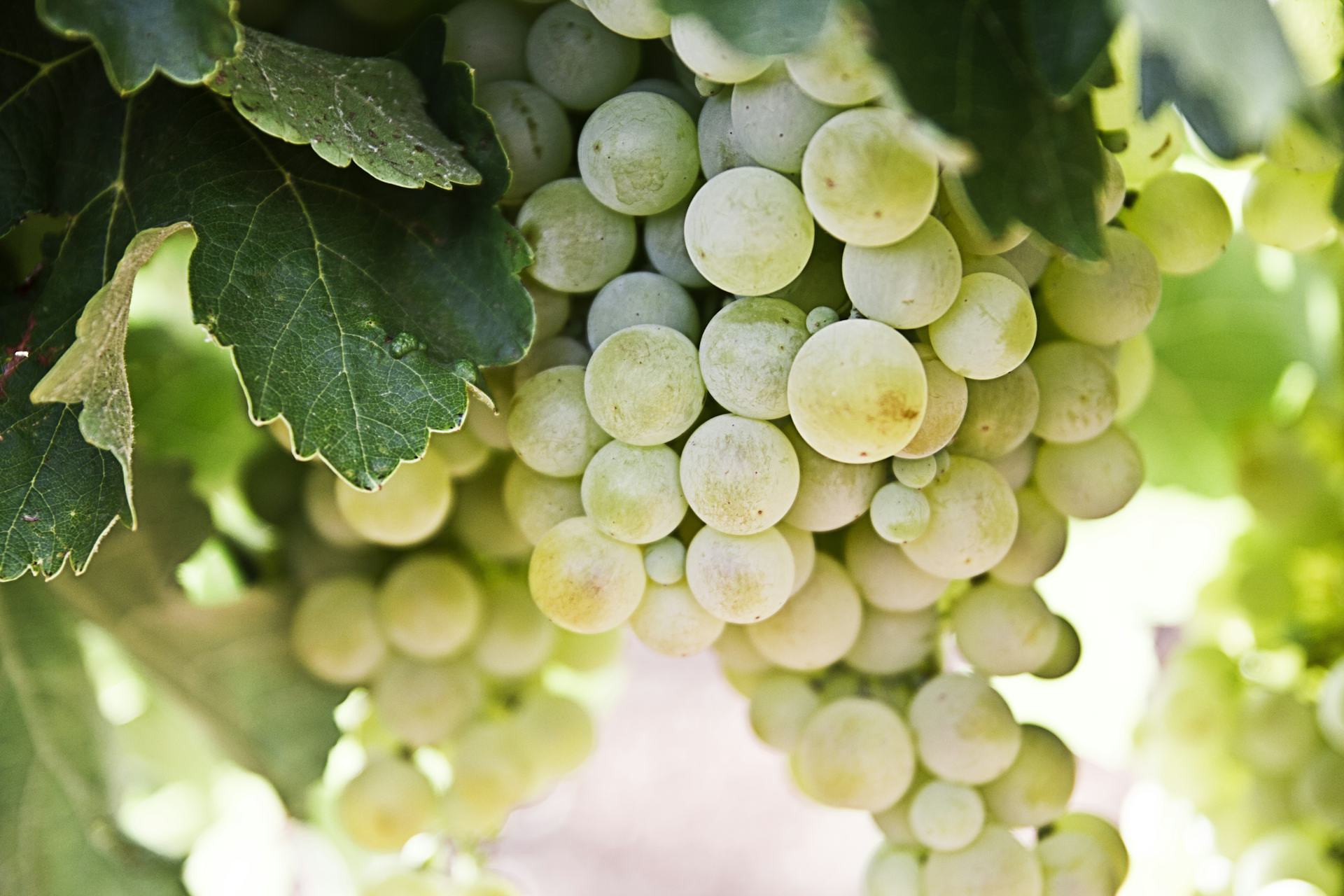
Chardonnay is one of the world’s most widely planted grapes, precisely because it adapts to almost any climate. In cooler regions like Chablis, it produces crisp, mineral wines with notes of citrus and green apple. In warmer areas such as California’s Napa Valley, it becomes rounder and richer, often showing tropical fruit and vanilla from oak aging. It’s also the main grape in many sparkling wines, including Champagne-style blends.
Sauvignon Blanc – Freshness and Green Energy
Sauvignon Blanc is known for its zesty acidity and vibrant aromas of lime, green herbs, and freshly cut grass. It thrives in cooler climates like New Zealand’s Marlborough region or California’s coastal areas, where it retains its lively character. It’s a perfect match for seafood, salads, or simply a sunny afternoon.
Riesling – Precision and Purity
Riesling is one of the most aromatic grape varieties, capable of producing wines that range from bone-dry to lusciously sweet. In Germany and the Finger Lakes region of New York, it shows off its finesse with notes of lime, peach, and sometimes a hint of petrol. Its high acidity gives it freshness and remarkable aging potential – a favorite among wine lovers who appreciate complexity.
Classic Red Grapes
Cabernet Sauvignon – Power and Structure
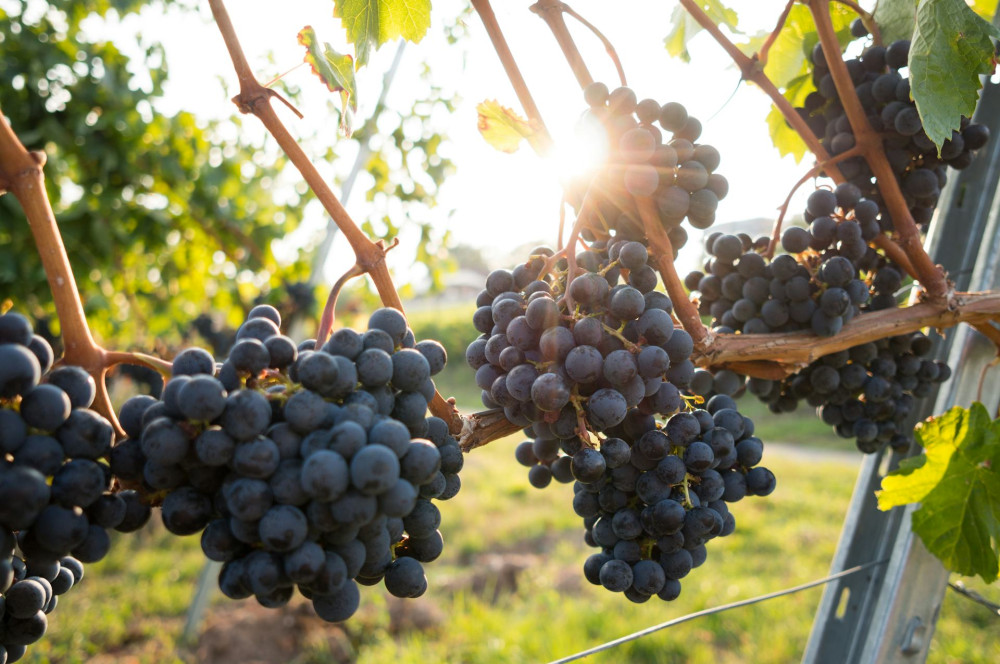
Cabernet Sauvignon is the king of red grapes. It produces dark, full-bodied wines with firm tannins and flavors of blackcurrant, cedar, and tobacco. In Bordeaux, it forms the backbone of many legendary wines, while in California’s Napa Valley it takes on a riper, fruit-forward style. These wines often benefit from aging, which softens their edges and deepens their complexity.
Merlot – Softness and Balance
Merlot is Cabernet’s softer sibling. It has gentler tannins and a rounder, fruitier profile, often showing plum, cherry, and chocolate notes. In Bordeaux, it’s used to add smoothness to blends, but it also shines on its own – especially in regions like Washington State and California’s Sonoma County.
Pinot Noir – Elegance and Finesse
Pinot Noir is a delicate grape that demands cool climates and careful winemaking. In return, it rewards with wines that are light in color but rich in aroma. Expect flavors of strawberry, cherry, and earthy undertones, often with a subtle spice. Burgundy is its spiritual home, but it also thrives in Oregon’s Willamette Valley and parts of California’s Central Coast.
How Color, Texture, and Taste Connect
A wine’s color comes from the grape skins. Red wines get their color and tannins by fermenting with the skins, while white wines are usually made without skin contact. Rosé sits in between – the juice spends only a short time with the skins, giving it a pink hue.
Tannins are what give red wines their structure and that slightly dry feeling in the mouth. White wines rarely have tannins; their structure comes from acidity and minerality instead. The balance between acidity, sweetness, alcohol, and tannin is what creates harmony in a wine.
New Grapes and Old Traditions
While classic grapes dominate the market, many winemakers are rediscovering local and heritage varieties. In the U.S., regions like Texas, Virginia, and Arizona are experimenting with Mediterranean grapes that handle heat well. Climate change is also encouraging growers in cooler areas to try varieties that once struggled to ripen.
This diversity makes the wine world more exciting than ever – offering drinkers endless opportunities to explore new flavors and styles.
How to Get to Know the Grapes
The best way to understand grape varieties is to taste them. Try buying wines made from the same grape but from different regions, and notice how they differ. Take notes on aroma, flavor, and texture. Over time, you’ll start to recognize each grape’s signature traits – and discover your personal favorites.
Learning about grape varieties is like learning a language: the more fluent you become, the more you can appreciate the nuances in every glass.
Læs også: