Soil, Climate, and Character: Why Wine Tastes Different from Region to Region

Soil, Climate, and Character: Why Wine Tastes Different from Region to Region
Why does a Pinot Noir from Oregon taste so different from one grown in Burgundy, even though they come from the same grape variety? The answer lies in a delicate interplay between soil, climate, and human craftsmanship. A wine’s character is shaped by the place it comes from, which is why winemakers and sommeliers often talk about terroir—a French term that captures everything that makes a wine unique.
Terroir – The Wine’s Fingerprint
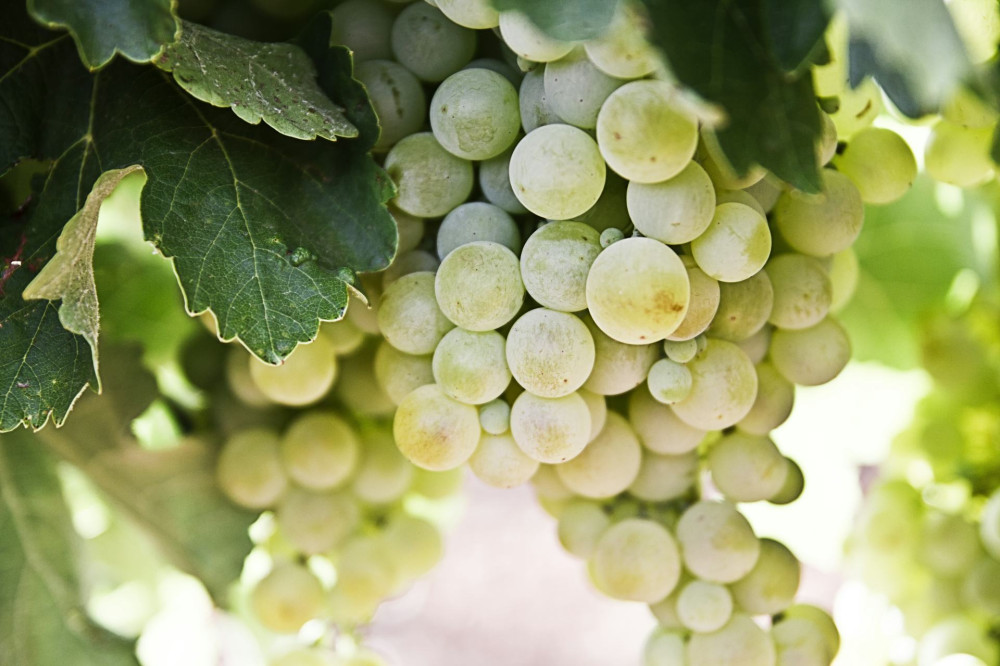
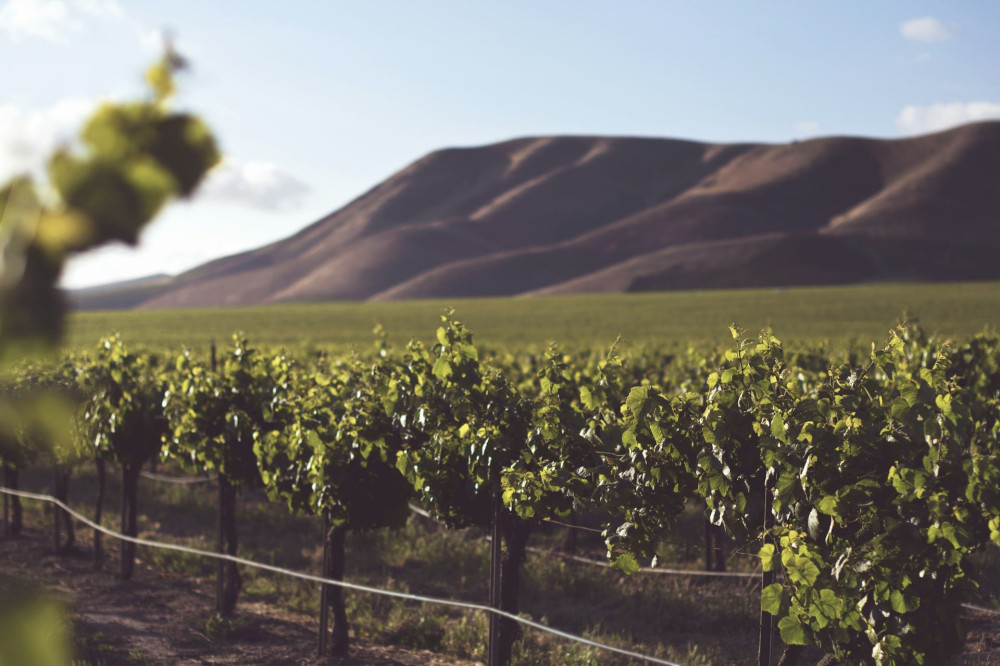
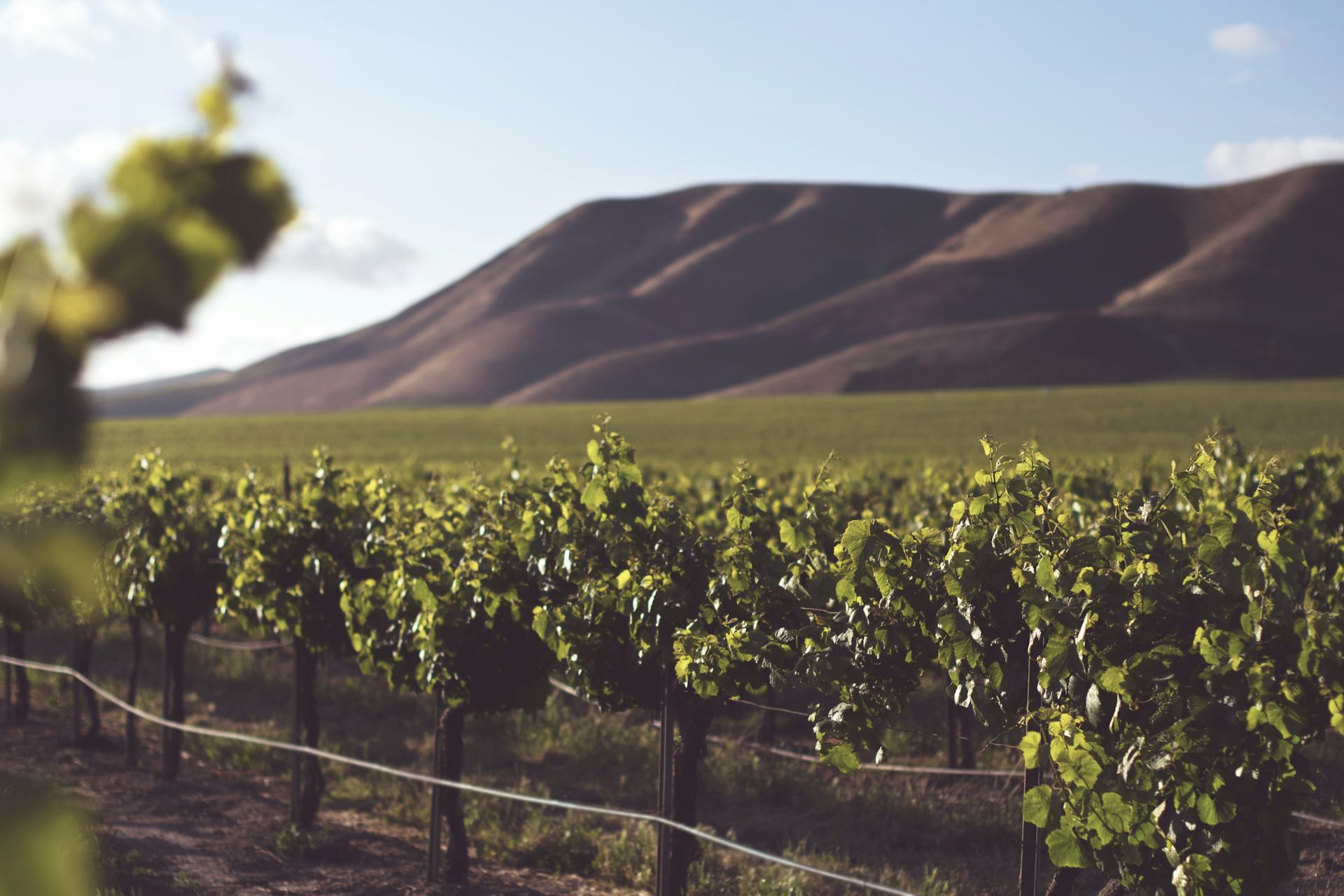
Terroir is the sum of nature and human influence. It includes soil composition, climate, topography, and cultivation methods—everything that affects how vines grow and grapes ripen. Two vineyards growing the same grape can produce dramatically different wines if they’re rooted in different environments.
A vineyard on a cool, limestone hillside might yield crisp, mineral-driven wines, while one in a warm, clay-rich valley could produce fuller, rounder flavors. Terroir is, in essence, a wine’s fingerprint—the expression of its origin in every sip.
The Role of Soil – From Limestone to Volcanic Rock
Soil type plays a crucial role in shaping a wine’s flavor and structure. It influences how vines access water, absorb nutrients, and regulate temperature.
- Limestone soils often produce wines with bright acidity and elegance, as seen in parts of Champagne and Chablis.
- Clay soils retain moisture and heat, leading to richer, more full-bodied wines—think of Bordeaux or Napa Valley Merlot.
- Volcanic soils, found in regions like Sicily’s Mount Etna or Oregon’s Willamette Valley, can lend wines a distinctive minerality and depth.
- Sandy or gravelly soils promote good drainage and can yield aromatic, lighter-bodied wines, such as those from Spain’s Ribera del Duero or California’s Santa Barbara County.
Even subtle differences in soil composition can be tasted in the glass. Two vineyards separated by a country road may produce wines with entirely different personalities.
Læs også:


Climate – Sun, Rain, and Temperature
Climate determines how quickly grapes ripen and how much sugar, acid, and aroma they develop. Broadly speaking, wine regions fall into two categories: cool and warm climates.
- Cool-climate regions—like Oregon, New York’s Finger Lakes, or Germany’s Mosel—tend to produce wines with higher acidity, lower alcohol, and bright, fresh fruit notes.
- Warm-climate regions—such as California’s Central Valley, southern Italy, or Australia’s Barossa Valley—yield riper, bolder wines with softer acidity and lush fruit flavors.
Even within a single region, microclimates can vary dramatically. A south-facing slope may receive more sunlight and warmth than a shaded valley floor, resulting in wines of very different weight and style.
The Human Touch – Tradition and Technique
While nature sets the stage, it’s the winemaker who directs the performance. Decisions about when to harvest, how to ferment, and whether to age wine in stainless steel or oak all shape the final result.
Tradition also plays a defining role. In Burgundy, centuries-old methods guide the production of Pinot Noir and Chardonnay, while in California or Washington, winemakers often experiment with new techniques and blends. The result is that even with the same grape and similar conditions, the style can vary widely—from restrained and earthy to bold and fruit-forward.
Terroir in Action – Famous Comparisons
- Burgundy vs. Oregon: Both produce Pinot Noir, but Burgundy’s cool climate and limestone soils create elegant, high-acid wines, while Oregon’s volcanic soils and slightly warmer weather yield fruitier, spicier expressions.
- Napa Valley vs. Bordeaux: Both excel at Cabernet Sauvignon, yet Napa’s sunshine and dry summers produce lush, powerful wines, while Bordeaux’s maritime climate gives more structured, age-worthy examples.
- Sonoma Coast vs. Central Valley: Chardonnay from the foggy Sonoma Coast is crisp and mineral, while the same grape from the warmer Central Valley is rounder and more tropical.
Climate Change – A New Challenge for Winemaking
In recent decades, climate change has begun to reshape the wine world. Warmer temperatures mean earlier harvests and higher alcohol levels, while droughts and extreme weather threaten traditional growing regions.
At the same time, new areas are emerging as viable wine regions—such as parts of Canada, England, and even the upper Midwest of the United States—where cooler climates once made viticulture impossible. The concept of terroir is evolving as the planet itself changes.
The Taste of a Place
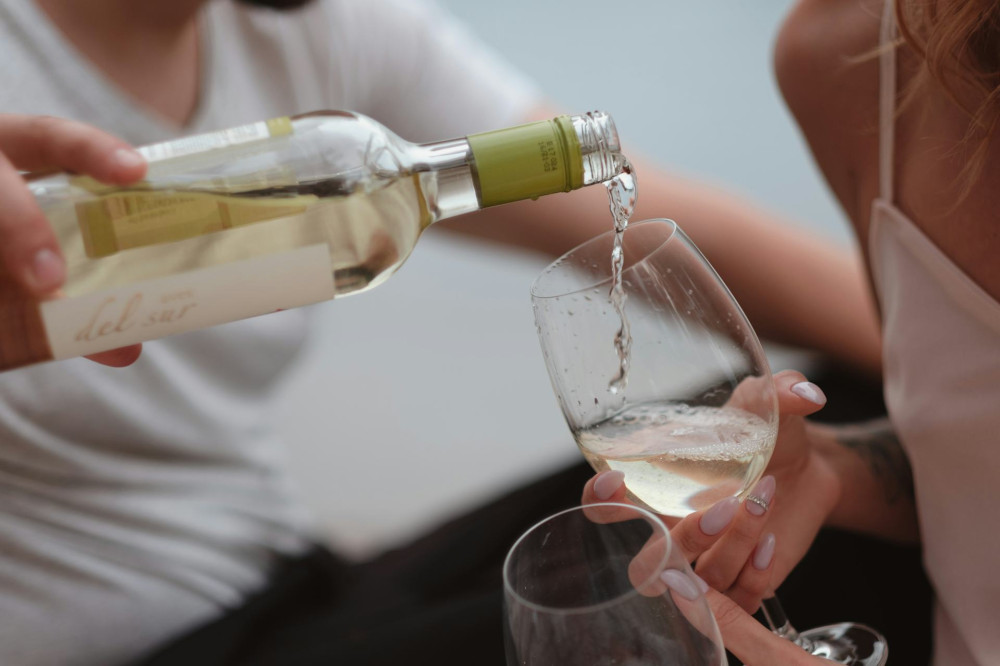
The next time you pour a glass of wine, remember that you’re not just tasting grapes—you’re tasting a landscape, a climate, and a culture. Every bottle tells the story of where it was born and the people who shaped it. That’s what makes the world of wine endlessly fascinating: each sip is a journey to a different place.
Læs også: