The Right Fastening Tool – How to Choose Based on Material and Task

The Right Fastening Tool – How to Choose Based on Material and Task
Whether you’re hanging a shelf, assembling furniture, or building a deck, choosing the right fastening tool is key to a strong and lasting result. The difference between a sturdy installation and one that fails often comes down to using the right screw, nail, or bolt for the job. With so many options available, it’s important to match your fastener and tool to both the material and the task. Here’s a practical guide to help you make the right choice for your next project.
Know Your Material – It Determines Everything
Before you pick up a drill or a screw, take a moment to understand the material you’re working with. Each surface has its own requirements for fasteners and tools.
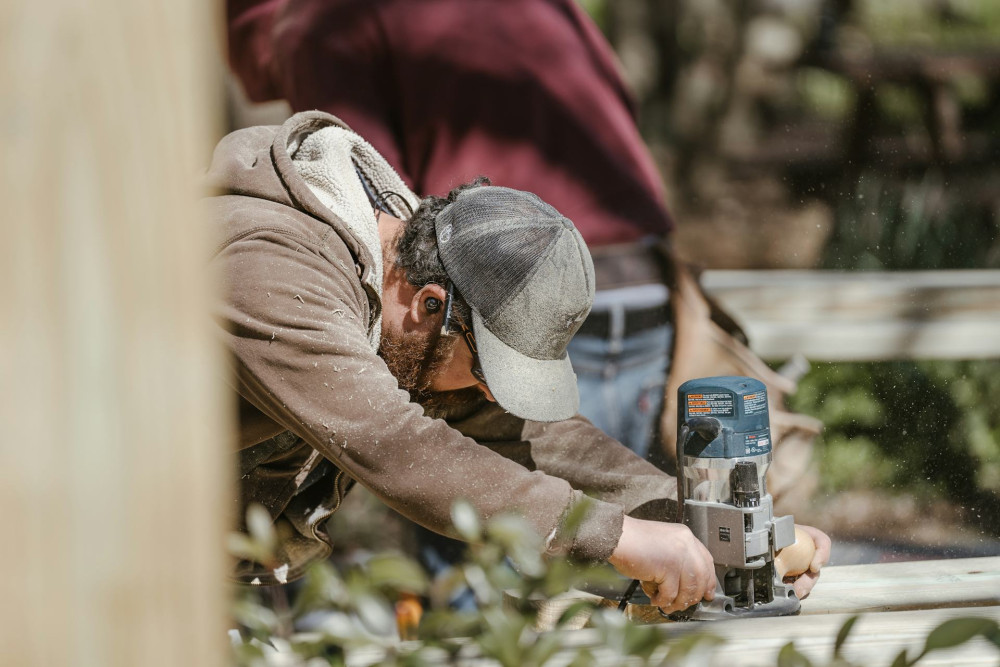
- Wood – Most wood projects allow you to drive screws directly into the material. Use wood screws with coarse threads for a strong grip. For hardwoods like oak or maple, pre-drilling helps prevent splitting.
- Masonry and Concrete – You’ll need anchors and a masonry bit. Choose plastic anchors for solid brick, expansion anchors for concrete, or specialty anchors for lightweight block. Always use a hammer drill for these materials.
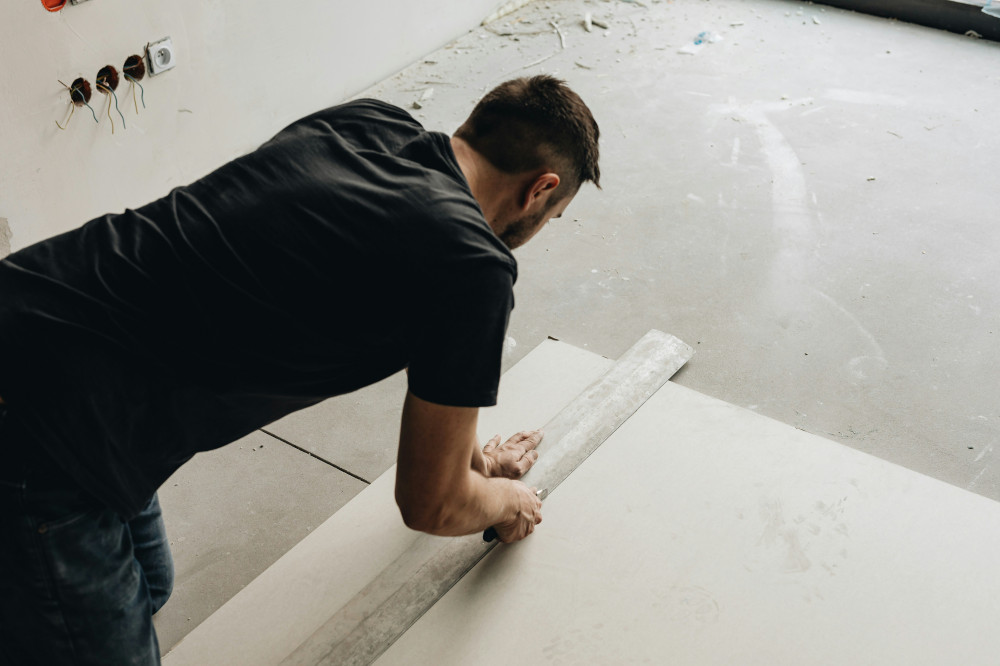
- Drywall – Because drywall is soft and brittle, use drywall anchors or toggle bolts that expand behind the wall. Avoid driving screws directly into drywall—they won’t hold for long.
- Metal – Use self-tapping metal screws or bolts with nuts and washers. Drill pilot holes with a metal bit and apply cutting oil to prevent overheating.
- Plastic and Composite Materials – Use screws with wide heads to distribute pressure and prevent cracking. Go slow to avoid melting the material.
Understanding your material is the first step toward a safe, durable result.
Læs også:


Screws, Nails, or Bolts – When to Use Each
While screws are often the go-to choice, there are times when nails or bolts are better suited.
- Screws provide a strong, adjustable hold. They’re ideal for projects that may need to be disassembled later, such as furniture or framing.
- Nails are great for quick assembly where speed matters more than removability—think trim, paneling, or framing walls.
- Bolts offer maximum strength and are best for heavy-duty applications like deck construction, metal framing, or load-bearing joints. Always pair bolts with washers and nuts to distribute pressure evenly.
A good rule of thumb: if you might need to take it apart later, use screws or bolts instead of nails.
Use the Right Tool
Even the best fastener won’t perform well without the right tool. A quality power drill or impact driver with adjustable torque is essential for most home projects. For masonry or concrete, use a hammer drill or rotary hammer. For wood and metal, a standard drill will do the job.
Choose the correct drill bit:
- Wood bits have a pointed tip for accurate starts.
- Masonry bits have a carbide tip for cutting through hard surfaces.
- Metal bits are smooth and designed for high-speed drilling.
A simple trick: wrap a piece of tape around the bit to mark the desired depth so you don’t drill too far.
Consider the Load
How much weight will your fastener need to support? A small picture frame and a heavy cabinet require very different solutions. As a general guideline:
- Light loads (up to 10 lbs) – small screws or drywall anchors.
- Medium loads (10–50 lbs) – plastic anchors in brick or concrete.
- Heavy loads (over 50 lbs) – expansion bolts, toggle bolts, or chemical anchors.
Also think about weight distribution. Two fasteners spaced apart can carry more weight than one in the center.
Avoid Common Mistakes
Many DIY projects fail because of small but critical errors. Here are some of the most common:
- Using screws that are too short – they should penetrate at least twice the thickness of the material being fastened.
- Skipping the pilot hole – especially in hardwood or dense masonry.
- Choosing the wrong anchor – it must match both the wall type and screw size.
- Over-tightening – this can strip threads or snap the screw.
Take your time to plan and install correctly—it saves frustration and ensures a professional finish.
Do It Right – Even for Small Projects
Even simple home projects deserve a solid, safe result. It’s not just about appearance; it’s about reliability and safety. A shelf that falls or a loose joint can cause damage or injury.
By choosing the right fastening tool and using it properly, you’ll create results that last—and you’ll gain confidence and skill with every project.
So next time you pick up your drill, remember: the right tool for the right material is the key to a job well done.
Læs også: