Build Sustainably with Recycled Materials – How Old Building Materials Get a New Life

Build Sustainably with Recycled Materials – How Old Building Materials Get a New Life
Old bricks, doors, and floorboards can be far more valuable than they look. In a time when sustainability and resource conservation are more important than ever, reusing building materials has become a key part of the future of construction. It’s not just about saving money—it’s about preserving craftsmanship, history, and the environment. Here’s how you can build sustainably with recycled materials and give old building components a new life.
Why Choose Recycled Materials?
The construction industry is one of the largest contributors to global CO₂ emissions and waste. By choosing reclaimed materials, you reduce the need for new production, saving both energy and raw resources. At the same time, you gain materials with character and a story—qualities that new products rarely offer.
Reusing materials can also be cost-effective. Items like bricks, wood, and hardware can often be found for a fraction of the price of new ones if you know where to look. With a bit of creativity, you can create a unique result that’s both beautiful and environmentally responsible.
Læs også:
Where to Find Reclaimed Materials
Across the U.S., there are many ways to source used building materials:
- Architectural salvage stores – Many cities have shops specializing in reclaimed doors, windows, tiles, and lighting fixtures.
- Online marketplaces – Websites like Craigslist, Facebook Marketplace, and Habitat for Humanity’s ReStore listings often feature materials from renovations and demolitions.
- Demolition and deconstruction companies – Some businesses allow you to purchase materials directly from their projects or even offer deconstruction services that preserve reusable items.
- Nonprofit reuse centers – Organizations such as Habitat ReStores or local building material exchanges sell donated items at affordable prices while supporting community programs.
When buying used materials, always check for quality. Look for signs of rot, cracks, or water damage, and make sure the materials can be adapted to your project.
Giving Materials a New Life
Building with reclaimed materials often requires extra planning and craftsmanship, but the results are worth it. Here are a few ideas for how to reuse old materials in new ways:
- Bricks from old buildings can be cleaned and reused for new walls, patios, or decorative features.
- Reclaimed wood flooring can be sanded, refinished, and relaid—or turned into countertops, shelving, or wall paneling.
- Doors and windows can be restored and fitted into both modern and traditional homes.
- Roof tiles can be reused on new roofs or as creative garden pathways.
- Metal fixtures and hardware can be polished and reused as distinctive design details.
By combining old materials with modern solutions, you can create a home that’s functional, stylish, and environmentally friendly.
Planning and Permits
Before starting your project, check whether you need building permits—especially if you’re altering structural elements or exterior features. Local building codes may also include energy efficiency requirements that can be harder to meet with older materials.
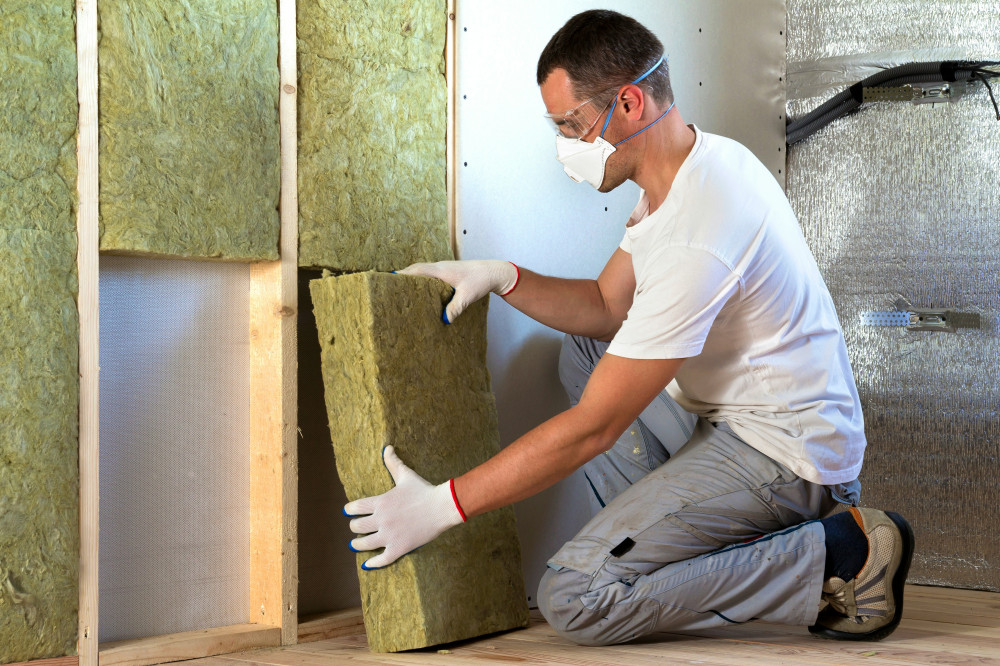
A good approach is to combine reclaimed materials with modern insulation and energy-saving technologies. This way, you get the best of both worlds: sustainability and comfort.
Maintenance and Durability
Reclaimed materials can last for decades if properly maintained. Wood should be protected from moisture, metal from rust, and masonry from frost damage. Use eco-friendly cleaning and finishing products to stay true to the sustainable spirit of your project.
Remember, patina isn’t a flaw—it’s part of the charm. Small marks and color variations tell the story of the material’s past life and give your building personality.
A New Way of Thinking About Construction
Building with recycled materials isn’t just about what you use—it’s about how you think. It’s a shift away from the throwaway culture toward a more circular approach, where resources are kept in use for as long as possible.
More architects and builders across the U.S. are embracing reuse and upcycling, creating inspiring examples—from modern homes built with reclaimed brick to furniture made from old scaffolding. These projects show that sustainability and design can go hand in hand.
Small Steps Make a Big Difference
You don’t have to build an entire house from reclaimed materials to make an impact. Start small—a wall made of salvaged brick, a kitchen with reused cabinets, or a patio built from reclaimed pavers. Every time you choose reuse over new, you save resources and contribute to a greener future.
Building sustainably with recycled materials is both a practical and meaningful investment. You’ll create a home with soul—and help preserve a piece of history that might otherwise have been lost.
Læs også: