From Big Project to Small Wins: How to Stay on Top of Your Construction Project

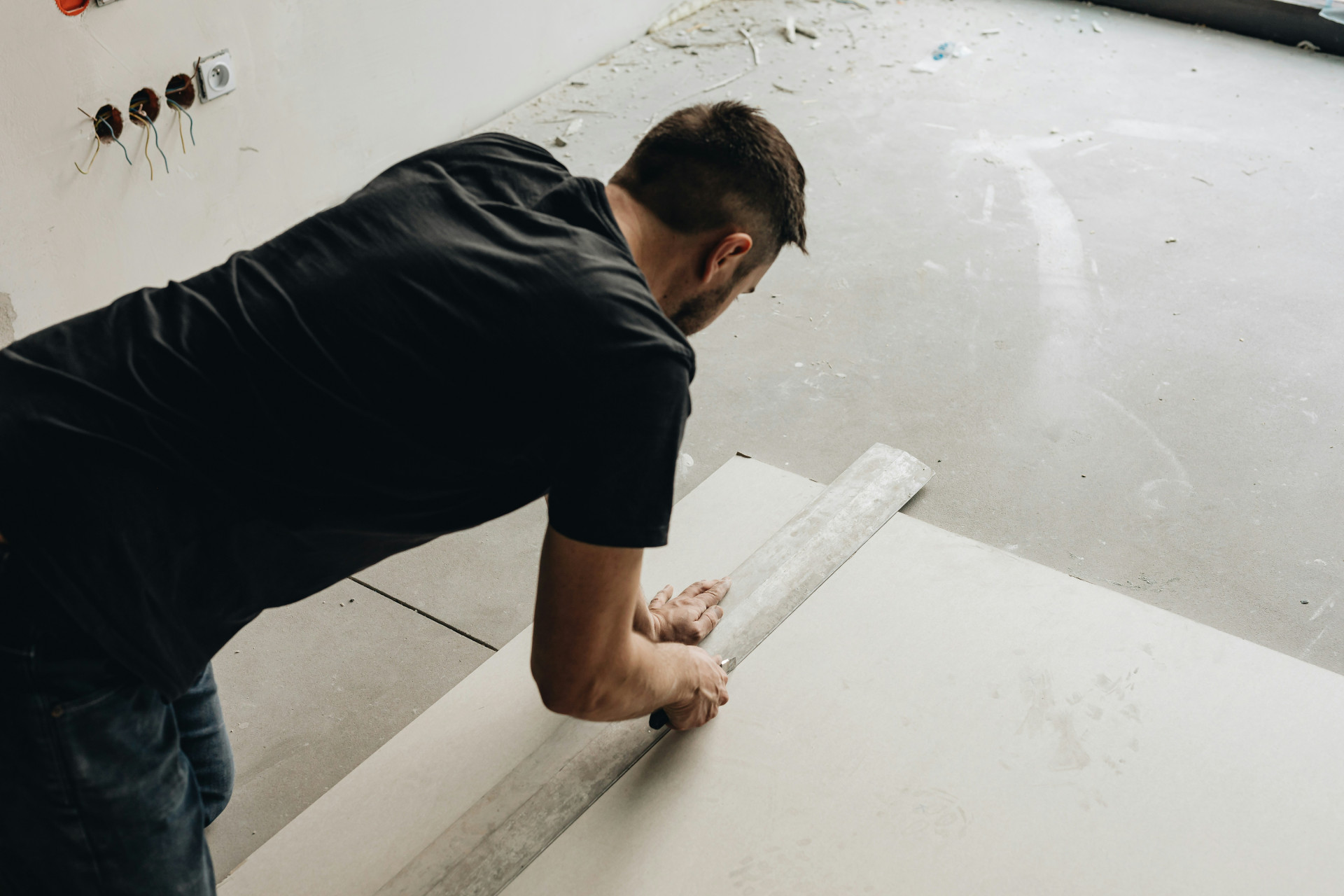
From Big Project to Small Wins: How to Stay on Top of Your Construction Project
A construction project—whether it’s a kitchen remodel, a home addition, or building your dream house from the ground up—can quickly feel overwhelming. Between budgets, permits, contractors, and timelines, it’s easy to lose sight of the big picture. The key to success is breaking the project into manageable steps, staying organized, and celebrating progress along the way. Here’s how to keep your project on track and your sanity intact.
Start with a Realistic Plan
Every successful construction project begins with a solid plan. Before you pick up a hammer or sign a contract, take time to map out your goals, timeline, and budget. Be honest about what you can afford and how much time you can realistically commit.
Build in a financial cushion—at least 10–15 percent—for unexpected costs. Materials, labor, and permit fees can fluctuate, and surprises are almost guaranteed. A buffer helps you handle them without derailing your project.
When creating your schedule, factor in delivery times, weather delays, and inspection requirements. It’s better to finish early than to feel behind from day one.
Break It Down into Phases
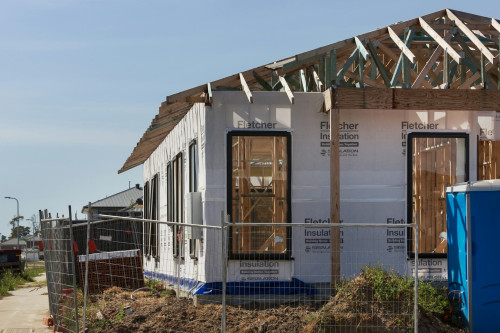
Looking at your entire project as one massive task can be intimidating. Instead, divide it into smaller, more manageable phases—planning, preparation, execution, and finishing touches. Within each phase, set specific milestones such as “foundation poured,” “framing complete,” or “paint finished.”
Checking off these smaller goals gives you a sense of progress and keeps motivation high. It also helps you identify potential issues early, before they become major setbacks.
Keep Communication Clear
If you’re working with contractors, architects, or suppliers, clear communication is essential. Many delays and misunderstandings happen because expectations aren’t clearly documented.
Set up a regular check-in routine—weekly meetings, phone calls, or a shared project management app—to review progress and address any changes. Always confirm agreements in writing, including costs, timelines, and materials. This protects both you and your contractors if questions arise later.
If you’re handling parts of the work yourself, be realistic about your skills and limits. Knowing when to call in a professional can save you time, money, and frustration.
Stay Organized at Home
Construction can disrupt your daily life, especially if you’re living in the home while work is underway. Dust, noise, and clutter can wear down even the most patient homeowner.
Create structure in your day-to-day routine. Designate a “construction-free” zone where you can relax and escape the mess. Keep tools and materials organized—whether that’s through labeled bins, a spreadsheet, or a project management app. The more order you maintain, the less stressful the process will feel.
And don’t forget to take breaks. Stepping away from the project occasionally helps you recharge and return with fresh energy.
Celebrate the Small Wins
It’s easy to focus on what’s left to do, but acknowledging progress is just as important. Celebrate when a phase is completed or when you overcome a tough challenge. Maybe that means a nice dinner out, a weekend off, or simply taking a moment to appreciate how far you’ve come.
Recognizing these small victories keeps morale high and reminds you that every step forward—no matter how small—brings you closer to your goal.
Læs også:
Learn from the Process
No construction project goes perfectly. There will be delays, surprises, and lessons learned along the way. Instead of getting discouraged, use these experiences to improve your approach for the future. What worked well? What would you do differently next time?
Building or renovating isn’t just about the finished product—it’s about the journey. Each challenge you overcome builds confidence and experience. When you look back, you’ll realize that it was the small wins along the way that made the big project possible.
Læs også: