The Magic of Dice Games – Why Chance and Luck Fascinate Us

The Magic of Dice Games – Why Chance and Luck Fascinate Us
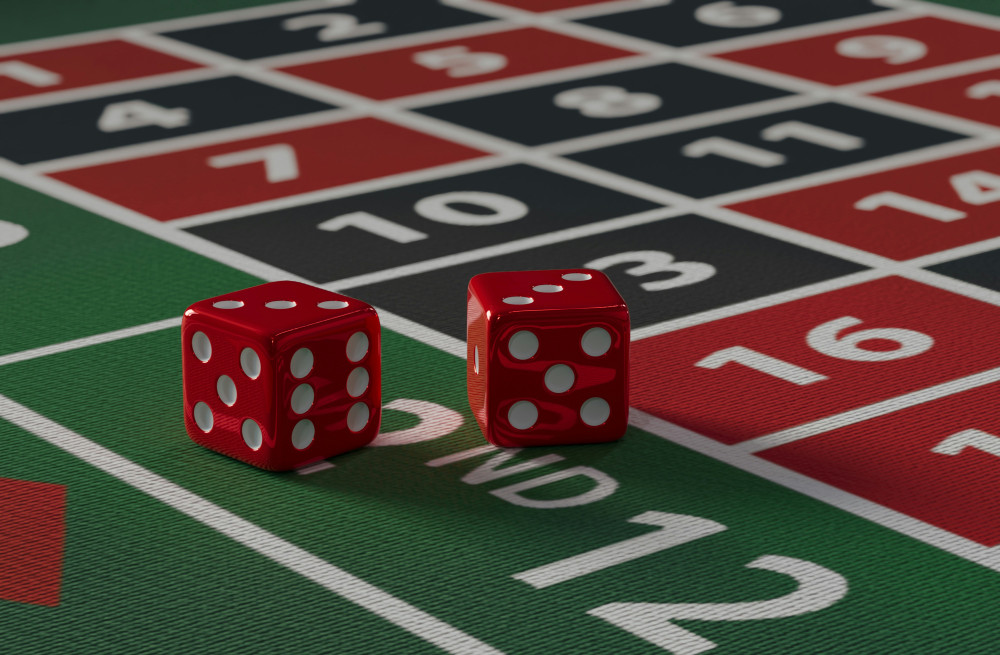
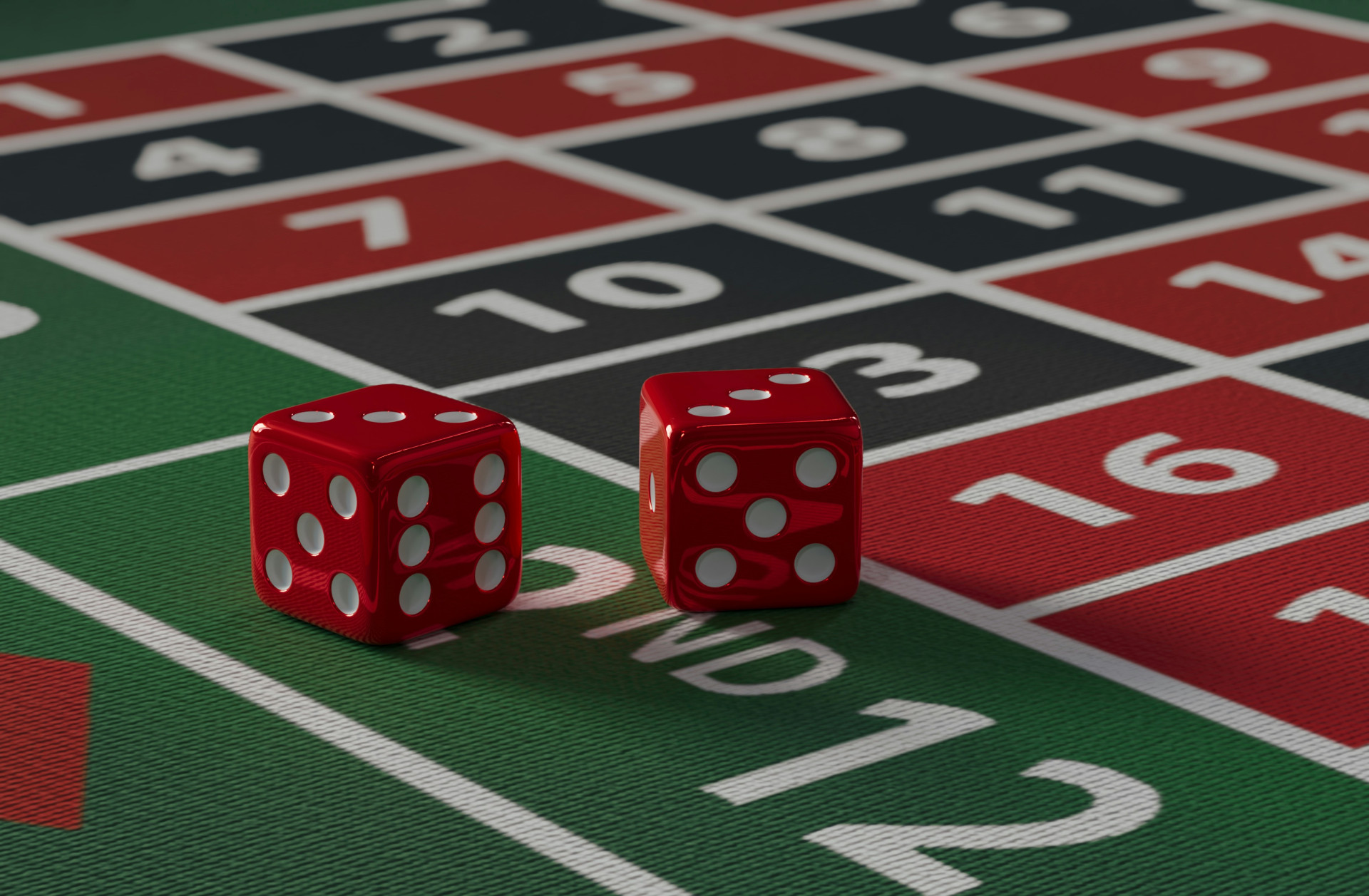
There’s something almost hypnotic about the sound of dice tumbling across a table before they come to rest, revealing their numbers. For a brief moment, time seems to pause—and we feel the tension between control and chaos. Dice games have followed humanity for thousands of years, and our fascination with chance and luck is as strong today as it was in ancient temples and taverns. But why are we so drawn to something we can’t control?
From Ancient Rituals to Modern Games
The oldest dice ever discovered come from Mesopotamia and Egypt, dating back more than 5,000 years. Back then, dice were used not only for entertainment but also for divination. Casting dice was a way to seek answers from the gods, with each outcome interpreted as a message from fate.
As centuries passed, dice became a favorite pastime among soldiers, travelers, and merchants. The small cubes were easy to carry, and the rules were simple. Today, the tradition lives on in everything from family board games and Las Vegas casinos to digital games where randomness still takes center stage.
Chance as a Human Drive
Humans have always had an ambivalent relationship with chance. On one hand, we strive to control our lives through planning, knowledge, and technology. On the other, we crave experiences where we surrender that control—where the outcome is uncertain.
When we roll a die, we experience a moment of pure suspense. We know we can’t influence the result, yet we hope anyway. That combination of hope and uncertainty is what makes games so captivating. It’s not just about winning—it’s about feeling alive in the moment, letting fate take the wheel for a while.
Luck, Control, and the Illusion of Influence
Psychologists talk about the “illusion of control”—our tendency to believe we can influence random outcomes. Many players blow on their dice for luck, roll them in a certain way, or repeat small rituals as if they could change the result. It’s irrational, but it feels meaningful.
These rituals give us a sense of participation. We know the outcome is random, but the act of doing something—anything—makes the experience more engaging. It’s a way to create meaning in the meaningless, and perhaps that’s why the game feels so satisfying.
Læs også:



When the Game Mirrors Life
In many ways, a dice game is a miniature version of life itself. We make choices, take risks, and hope for the best, knowing that much depends on factors beyond our control. Luck and chance play a role in everything from love and career to health and success.
Accepting the power of chance can even be a kind of life philosophy. It reminds us that we can’t control everything—and that unpredictability can bring joy, surprise, and new opportunities.
The Social and Emotional Side of Play
Though dice are small, they create big moments. A dice game gathers people around a table, sparking laughter, tension, and connection. We share both victories and defeats, and that shared experience is part of the magic.
For many, it’s not about the prize but the experience itself. It’s the company, the story, and the moment that matter. When the dice roll, everyone is equal—no matter their background, skill, or strategy.
Why We Keep Rolling
In a world where so much can be measured, planned, and predicted, dice games offer a rare kind of freedom. Here, different rules apply. We can’t calculate the outcome, and that’s exactly what makes it thrilling. It’s a small rebellion against control—a moment where we surrender to chance and feel life in its most unpredictable form.
So next time you hear the dice hit the table, remember: it’s not just a game. It’s an echo of humanity’s timeless fascination with luck, fate, and the beauty of the unknown.
Læs også: