Playing for Fun or Too Much? How to Tell the Difference

Playing for Fun or Too Much? How to Tell the Difference
Playing games can be exciting, social, and a great way to unwind. For many Americans, it’s a fun pastime—whether that means a few rounds of poker with friends, a fantasy football league, or an occasional visit to a casino. But sometimes, the line between entertainment and problem gambling can blur. How do you know when it’s just for fun, and when it’s starting to take over? Here’s how to tell the difference—and what to do if you think gambling might be becoming a problem.
When Gambling Is Just for Fun
Gambling for fun is about enjoyment, excitement, and connection. It’s when you can walk away without stress, and when the money you spend is simply the cost of entertainment—not something you need to win back.
Signs of a healthy relationship with gambling include:
- You set a clear limit on how much time and money you’ll spend—and stick to it.
- You only gamble with money you can afford to lose.
- You see gambling as entertainment, not as a way to make money.
- You can take breaks without feeling anxious or restless.
When gambling fits naturally into a balanced life, it can be a harmless and enjoyable activity—no different from going to a concert or watching a game with friends.
When Gambling Starts Taking Over
Problems begin when gambling stops feeling like a choice and starts feeling like something you have to do. Maybe you gamble to escape stress or sadness, or you chase losses hoping to win back what you’ve lost. These are warning signs that gambling may be taking up too much space in your life.
Watch out for these red flags:
- You gamble to forget problems or improve your mood.
- You spend more time or money than you planned.
- You hide your gambling from friends or family.
- You feel restless, guilty, or irritable when you’re not gambling.
- You try to win back lost money—often without success.
If several of these sound familiar, it might be time to pause and take an honest look at your habits.
Why It’s Hard to Stop
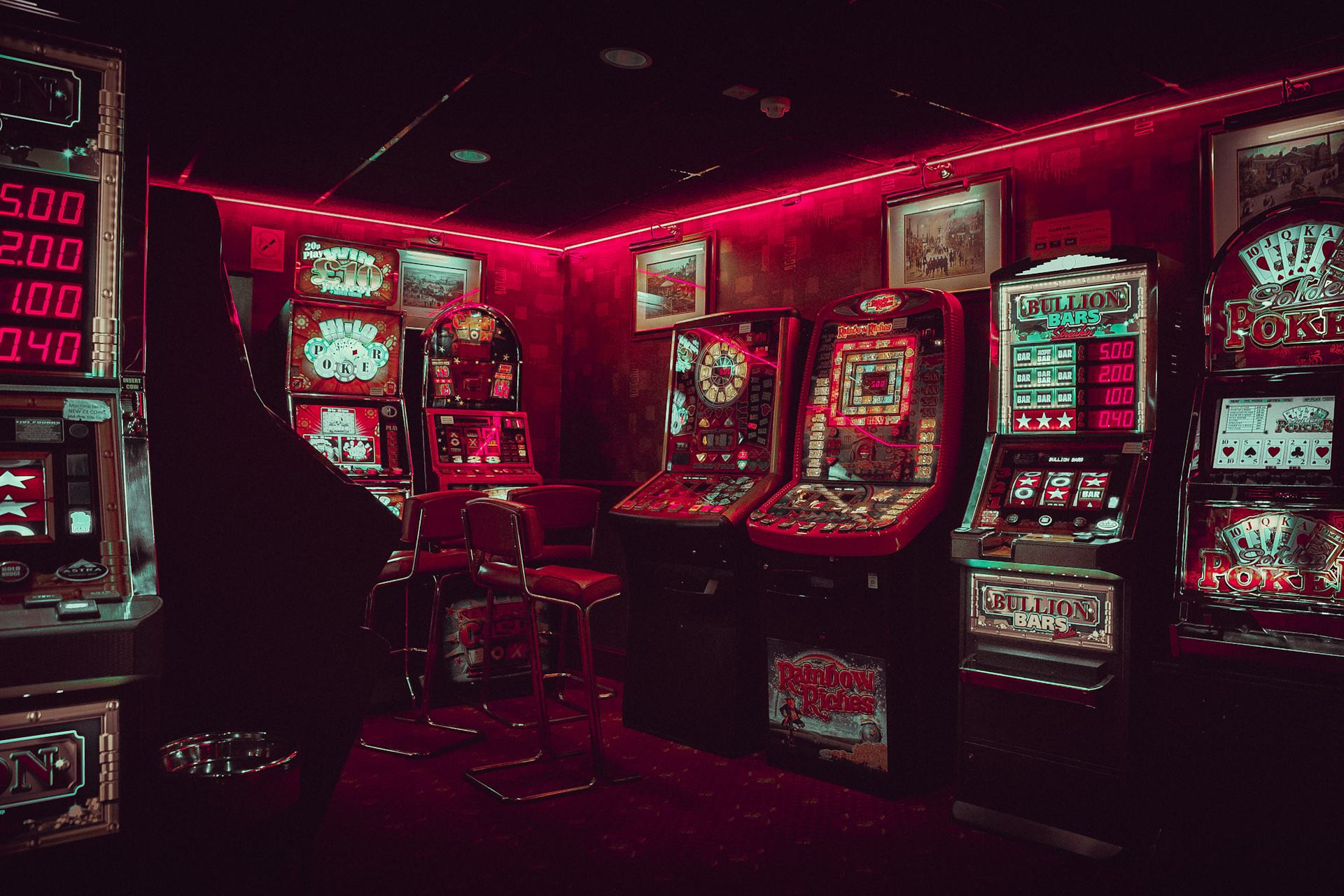
Gambling is designed to be thrilling. The flashing lights, near-misses, and quick wins trigger the brain’s reward system—the same system that responds to food, exercise, and love. That rush can be addictive, especially when it becomes a way to cope with stress, loneliness, or boredom.
Over time, gambling can shift from being a fun distraction to a compulsive behavior. Many people don’t realize it’s happening until it starts affecting their finances, relationships, or mental health.
Læs også:


Taking Back Control
If gambling is starting to feel overwhelming, there are many ways to regain control. The first step is recognizing that something needs to change—and that takes courage.
Here are some practical steps:
- Set a budget for gambling and stick to it.
- Take breaks and notice how you feel when you’re not gambling.
- Talk to someone—a friend, family member, or counselor.
- Use tools like self-exclusion programs or apps that block gambling sites.
- Seek professional help if you find it hard to stop on your own.
In the U.S., free and confidential help is available. You can contact the National Problem Gambling Helpline at 1-800-GAMBLER or visit www.1800gambler.net for support and resources.
Finding Balance Again
Gambling doesn’t have to be a problem—but it does require awareness and boundaries. When you understand your own habits and can recognize when things are getting out of balance, you’re in a stronger position to keep gambling fun and safe.
If you’ve noticed gambling taking up too much space in your life, remember: change is possible. Many people have found their way back to a healthy balance—where gambling is once again just a game, not a source of stress.
Læs også: