From James Bond to Las Vegas: How Movies and Pop Culture Have Shaped Our View of Casinos

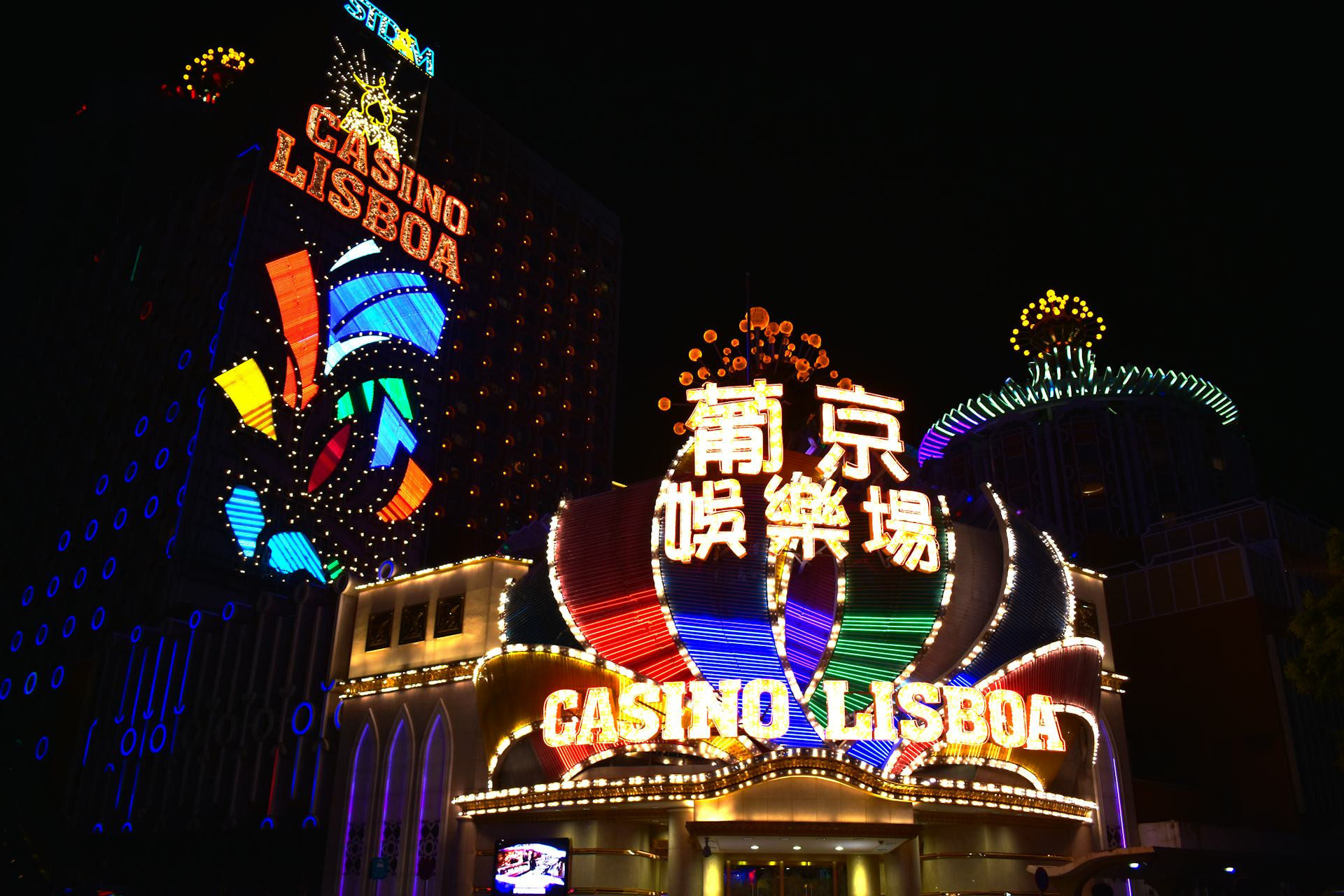
From James Bond to Las Vegas: How Movies and Pop Culture Have Shaped Our View of Casinos
When Americans hear the word casino, we often picture flashing lights, tuxedos, and the promise of instant fortune. It’s an image of glamour, risk, and excitement — one that owes as much to Hollywood as to real life. Over the decades, movies, television, and pop culture have shaped how we imagine casinos, turning them from smoky gambling halls into symbols of sophistication, adventure, and the American dream.
James Bond and the Art of the Elegant Gamble
Few characters have done more to define the casino’s mystique than James Bond. From his first appearance at the baccarat table, Bond made gambling look like an act of intelligence and control. The casino scenes in the Bond films are never just about money — they’re about power, charm, and danger. Every hand of cards becomes a duel, every glance a test of nerve.
Through Bond, the casino became a stage for style and strategy. It wasn’t a place for desperate gamblers but for those who could keep their cool under pressure. That image — the suave player in a tuxedo, martini in hand — has become a cultural shorthand for sophistication. It’s echoed in everything from fashion ads to luxury car commercials, where the casino setting still signals elegance and risk.
Las Vegas: The American Dream in Neon
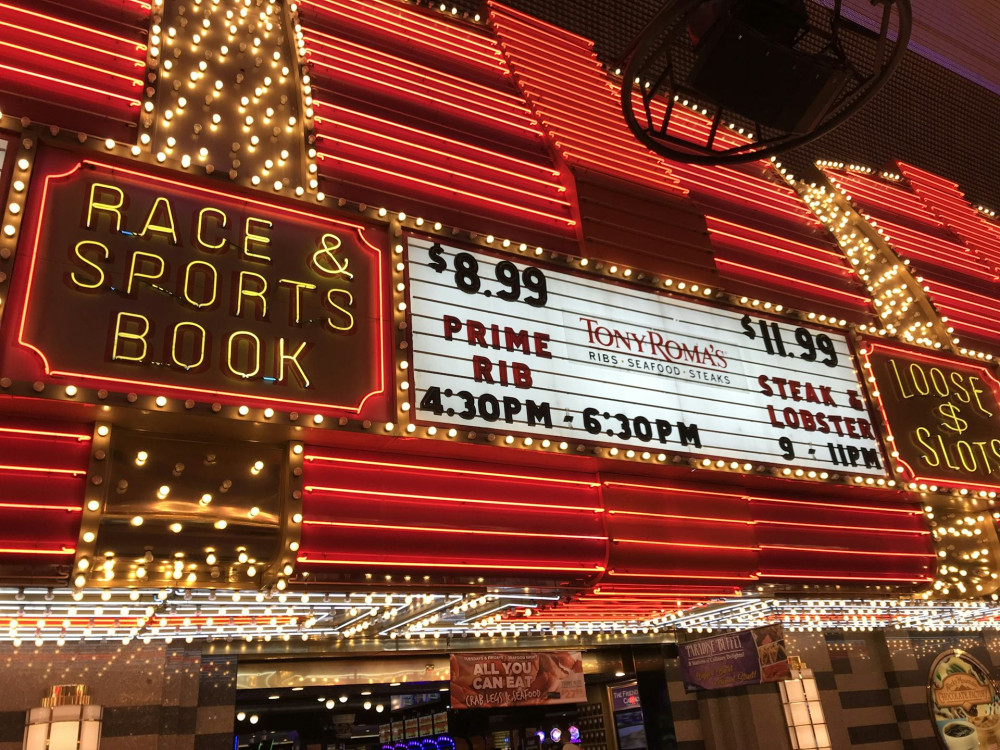
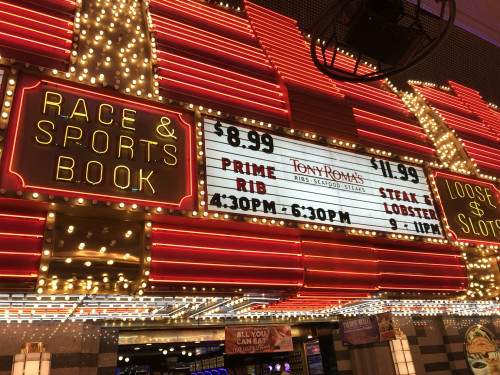
If Bond gave the casino its elegance, Hollywood gave Las Vegas its mythology. From Ocean’s Eleven to The Hangover, the city has been portrayed as a playground where anything can happen — a place of freedom, excess, and reinvention. In these films, the casino isn’t just a venue for gambling; it’s a world of spectacle, where reality bends and ordinary people can live out extraordinary fantasies.
For many Americans, Las Vegas represents the ultimate escape — a city built on the idea that luck can change your life overnight. Movies have amplified that fantasy, turning Vegas into a symbol of both the thrill and the danger of chasing the dream. It’s no coincidence that the city’s slogan, “What happens in Vegas, stays in Vegas,” feels like a line straight out of a movie script.
Læs også:

From Screen to Reality: The Casino as Experience
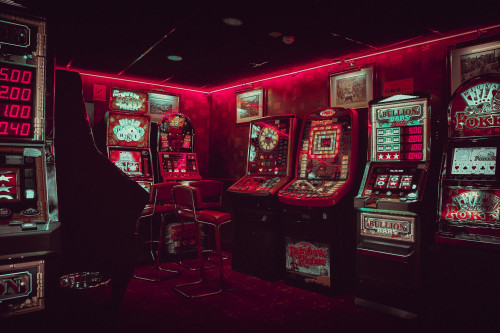
Pop culture hasn’t just influenced how we see casinos — it’s changed how they’re designed. Modern casinos borrow heavily from cinematic aesthetics: dramatic lighting, immersive soundscapes, and themed interiors that make visitors feel like they’ve stepped into a movie. Even online casinos mimic the look and feel of film — the green felt tables, the elegant dealers, the sense of suspense.
Today, gambling is as much about the experience as the game itself. Whether you’re sitting at a blackjack table in Las Vegas or playing on your phone at home, the goal is the same: to feel like you’re part of a story. The casino has become a stage where anyone can play the role of the high roller, the risk-taker, or the lucky winner.
The Double Edge of Glamour
Of course, the cinematic version of the casino also has a darker side. Films like Casino and 21 remind us that behind the glamour lies obsession, greed, and loss. Television shows such as Breaking Bad and Ozark use casinos as symbols of moral compromise — places where ambition and temptation collide. This duality is part of what keeps the casino so fascinating: it embodies both the dream of success and the fear of downfall.
That tension — between freedom and danger, fortune and ruin — mirrors the contradictions of American culture itself. The casino is both a celebration of risk-taking and a warning about its costs.
The Casino as a Mirror of Modern Life
Today, the casino is no longer confined to Las Vegas or Atlantic City. Online platforms and mobile apps have brought the thrill of gambling into our homes, blurring the line between entertainment and play. Yet even in this digital age, the imagery shaped by film endures. We still crave the same mix of excitement, control, and glamour that Bond and Hollywood taught us to associate with the casino.
In many ways, the casino reflects our broader cultural desires — for success, identity, and transformation. It’s not just about winning money; it’s about stepping into a story where luck, courage, and style define who we are. And that’s why, decades after Bond first placed his bet, the casino remains one of pop culture’s most enduring symbols of the American dream.
Læs også: