The Power of Community: When Men Together Challenge Stereotypes of Masculinity

The Power of Community: When Men Together Challenge Stereotypes of Masculinity
For generations, the idea of masculinity in the United States has been tied to toughness, independence, and emotional restraint. Men were expected to be providers, to stay strong, and to keep their feelings to themselves. But in recent years, that image has begun to shift. Across the country, more men are seeking out communities where they can share experiences, support one another, and redefine what it means to be a man. It’s not about rejecting masculinity—it’s about expanding it.
Breaking the Silence of Strength
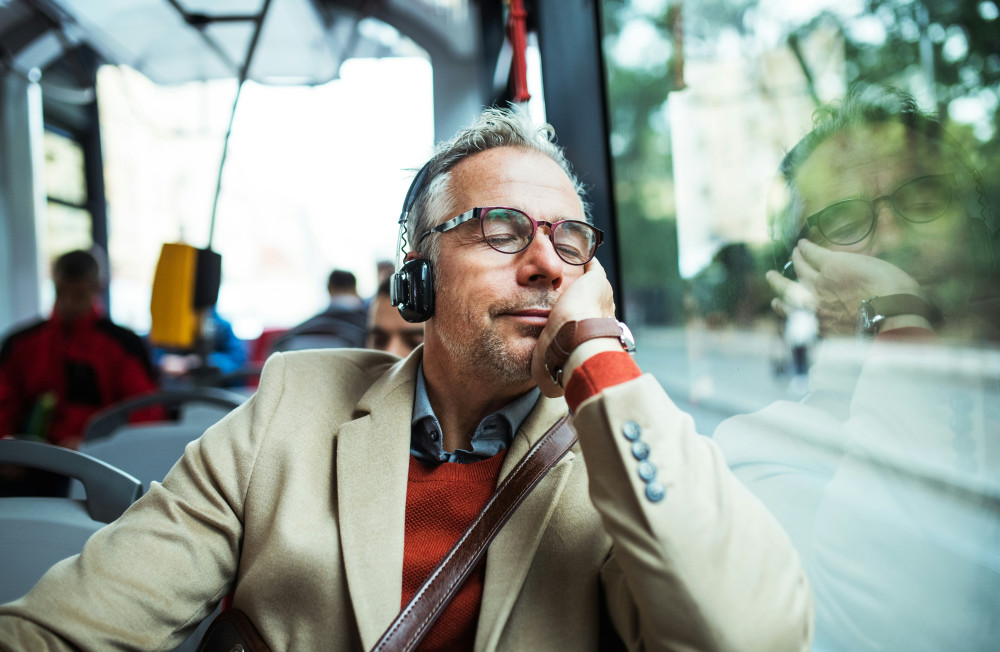
Many American men grew up believing that strength meant handling problems alone. But that silent strength often comes at a cost. Studies show that men are less likely than women to seek help for mental health challenges, and loneliness among men is on the rise. The “tough it out” mentality can leave men isolated, disconnected, and struggling in silence.
When men come together in spaces that allow honesty and vulnerability, it can be a powerful antidote to that isolation. These spaces take many forms—men’s groups, community sports teams, volunteer projects, or online forums. What unites them is a shared desire to create environments where men can be themselves without fear of judgment or pressure to perform.
Læs også:


New Forms of Brotherhood
Modern men’s communities are as diverse as the men who join them. Some gather around campfires or hiking trails, others meet in community centers or virtual circles. Some focus on open conversation and reflection, while others combine physical activity with personal dialogue. The common thread is connection—building trust and understanding through shared experience.
One example is the growing number of “men’s circles” that have appeared across the U.S. In these groups, participants talk about everything from relationships and fatherhood to fear and purpose. The goal isn’t to fix each other’s problems but to listen and be heard. For many men, it’s a new and liberating experience—one that challenges the old idea that vulnerability is weakness.
Masculinity in Transition
Challenging stereotypes of masculinity doesn’t mean abandoning traditional masculine traits. It’s about balance. Strength can also mean the courage to express emotion. Responsibility can include caring for one’s mental health and relationships. And bravery can mean admitting when you need help.
As men reflect together on what masculinity means to them, new narratives emerge—stories of cooperation instead of competition, presence instead of performance, authenticity instead of façade. Masculinity becomes not a fixed identity but a living, evolving expression of who men are and who they want to be.
Community as an Antidote to Loneliness
Loneliness among men has become a growing public health concern in the U.S. Many men lose social connections as they age, change jobs, or go through divorce. Community can play a crucial role in rebuilding those connections. Whether it’s through sports leagues, volunteer work, music groups, or discussion circles, shared activities create bonds that go beyond surface-level interaction.
In those relationships, men often find strength, inspiration, and a renewed sense of belonging. Community becomes not just a social outlet but a source of healing and resilience—a reminder that no one has to face life’s challenges alone.
A New Story of Manhood
Today’s man stands at a crossroads between old expectations and new possibilities. Navigating between independence and interdependence can be confusing—but also freeing. As more men open up about their lives, emotions, and struggles, space is created for multiple ways of being a man.
The power of community lies in its ability to remind men that strength is not about standing alone—it’s about standing together. When men connect, listen, and support one another, they don’t just redefine masculinity—they redefine what it means to live fully and authentically.
Læs også: