The Home of the Future: When AI and IoT Become Part of Everyday Life

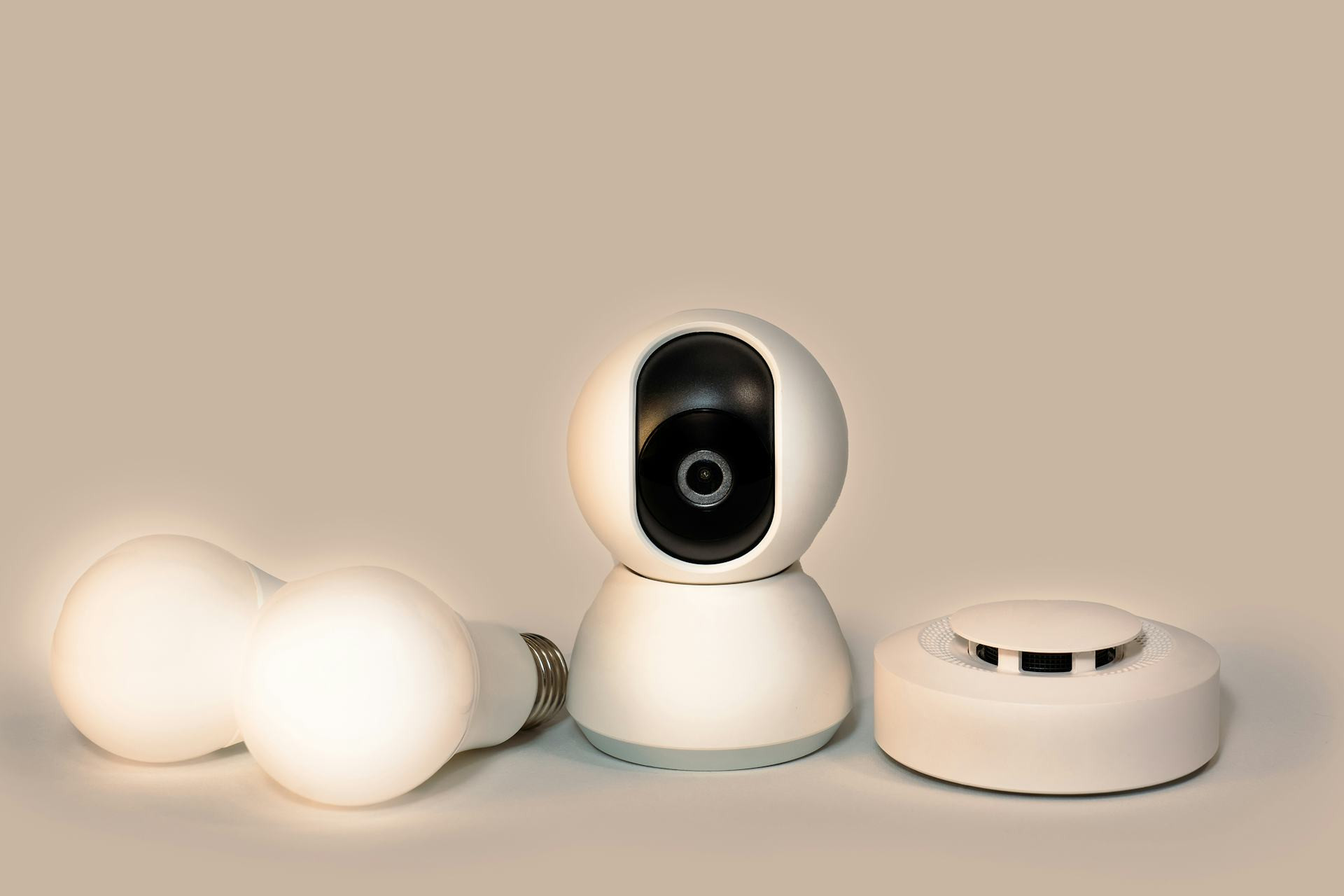
The Home of the Future: When AI and IoT Become Part of Everyday Life
Imagine a home that adjusts the temperature before you wake up, turns on the lights as you walk into the kitchen, and reminds you to restock the fridge when you’re running low on milk. It might sound like something out of a sci-fi movie, but it’s quickly becoming reality. The combination of Artificial Intelligence (AI) and the Internet of Things (IoT) is transforming how Americans live—bringing new levels of comfort, security, and sustainability to everyday life.
What Do AI and IoT Mean for the Home?
IoT, or the Internet of Things, refers to the network of devices that connect to the internet and communicate with each other. These can include thermostats, lights, refrigerators, doorbells, and even washing machines. AI, or Artificial Intelligence, allows these devices to learn from your habits and make decisions on their own.
When AI and IoT work together, they create what we call a smart home—a living space that doesn’t just respond to your commands but anticipates your needs.
Everyday Comfort and Convenience
One of the most noticeable benefits of AI and IoT is the convenience they bring to daily life. Smart assistants like Amazon Alexa, Google Home, and Apple’s Siri can control everything from lighting and music to your coffee maker—just by using your voice. But the technology goes far beyond simple commands.
Modern systems can learn your routines: when you wake up, when you leave for work, and how warm you like your living room. Your home can automatically adjust to your schedule, so you return to a cozy, well-lit space with your favorite playlist already on. It’s comfort that feels effortless.
Security and Peace of Mind
Home security has also taken a major leap forward. Smart cameras can recognize familiar faces and alert you if someone unfamiliar approaches your door. Video doorbells let you see and talk to visitors from anywhere, whether you’re at the office or on vacation.
AI-powered systems can even distinguish between a passing car, a neighborhood cat, or a potential intruder. This level of intelligence provides peace of mind, knowing your home is always being watched over—even when you’re not there.
Energy Efficiency and Sustainability
A smart home isn’t just about convenience—it’s also about responsibility. IoT devices can monitor energy use in real time and suggest ways to reduce waste. AI can analyze patterns and optimize heating, lighting, and appliance use to save both money and energy.
Smart thermostats, for example, learn your schedule and automatically lower the temperature when you’re away. Some washing machines and dishwashers can even run during off-peak hours when electricity is cheaper. These small adjustments add up, helping households cut costs and reduce their carbon footprint.
Læs også:




Challenges and Ethical Questions
As with any new technology, smart homes raise important questions. What happens to the data your devices collect about you? Who has access to it, and how is it protected? Privacy and cybersecurity are growing concerns as more aspects of our lives become connected.
There’s also the issue of dependence. If your internet goes down or a system is hacked, it could disrupt everything from heating to security. That’s why it’s crucial for innovation in smart homes to go hand in hand with strong data protection and user control.
The Future Home: More Human Than Technological
While AI and IoT are driven by technology, their ultimate goal is to make our homes more human—spaces that adapt to our lives and needs. In the future, technology will likely become so seamlessly integrated that it fades into the background. The home of tomorrow won’t just react; it will understand.
The key isn’t to fill our houses with gadgets, but to use technology wisely—to make daily life easier, safer, and more sustainable. The home of the future isn’t just smarter; it’s more attentive, more personal, and more in tune with the people who live in it.
Læs også: