Modular Cars: One Model – Many Possibilities


Modular Cars: One Model – Many Possibilities
Imagine owning a car that adapts to your life instead of the other way around — a vehicle that can be a roomy family SUV on Monday, a compact commuter car on Wednesday, and a small delivery van for weekend projects. It may sound futuristic, but the concept of modular cars is quickly moving from design labs to real roads. With interchangeable parts, flexible platforms, and smart software, the car of the future could be as versatile as your lifestyle.
What Does It Mean for a Car to Be Modular?
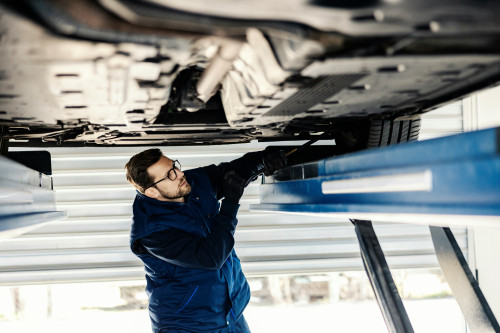
A modular car is built from standardized components — or modules — that can be swapped or upgraded as needed. These modules might include body panels, battery packs, interiors, or even software systems. Instead of buying a new car every few years, you could simply replace or upgrade the parts that no longer fit your needs.
Automakers are already experimenting with modular platforms that allow multiple models to share the same underlying structure. This approach makes production more efficient and cost-effective. The next step is giving consumers the ability to reconfigure their own vehicles.
Læs også:


Everyday Flexibility
Picture being able to switch out the rear section of your car to transform it from a five-seater family vehicle into a small cargo van. Or imagine upgrading to a larger battery pack for a cross-country trip, then swapping back to a lighter, more affordable one for city driving.
For many Americans, that kind of flexibility could mean one car that serves multiple purposes — instead of owning both a commuter car and a weekend SUV. It could also make car-sharing more practical, allowing users to customize vehicles for their specific needs.
A Win for the Environment
Modular cars could also play a major role in sustainability. Today, millions of vehicles are scrapped each year even though many of their parts still work perfectly. With a modular system, only worn-out or outdated components would need to be replaced, while the rest of the car remains in use.
That means less waste, lower resource consumption, and a smaller carbon footprint. Software updates could further extend a car’s lifespan, keeping it compatible with new safety standards, energy systems, and digital features.
The Technology Behind It
At the heart of modular cars is a flexible “skateboard platform” — a flat base that houses the motor, battery, and control systems. Different bodies and cabins can then be mounted on top. Electric drivetrains make this possible because they require fewer mechanical connections than traditional gas engines.
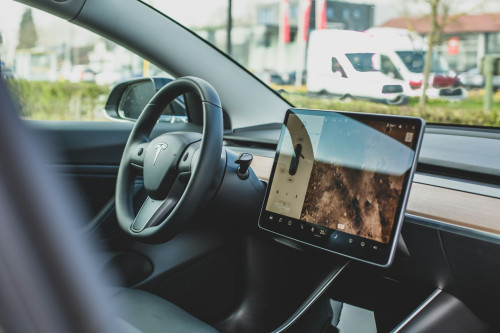
Digital technology is equally important. Software manages everything from energy use to driving dynamics, and over-the-air updates can add new features without a trip to the mechanic. In many ways, upgrading your car could become as simple as updating your smartphone.
Challenges and Opportunities
Of course, there are still hurdles to overcome. Safety regulations, standardization, and certification processes will need to evolve before modular cars can become mainstream. Automakers will also have to agree on shared systems so that modules can be swapped across brands.
But the potential is enormous. Consumers gain flexibility, manufacturers reduce waste, and society moves closer to a circular economy. Many experts see modular cars as a natural next step in the shift toward sustainable, user-centered mobility.
The Future of Driving – A Personal Choice
In the future, buying a car might feel more like customizing a tech device: you choose a base model and add the modules that fit your lifestyle. You might even subscribe to different modules — a camping setup for summer, a cargo module for work, or a luxury interior for long trips.
Ultimately, modular cars are about freedom — the freedom to shape your transportation around your life, not the other way around. And that could make the automotive world not only smarter and greener, but also more human.
Læs også: