Make Sustainability a Family Project at Home

Make Sustainability a Family Project at Home
Sustainability often starts with small steps—but those steps become far more meaningful when the whole family takes them together. When kids and adults share the responsibility of caring for the planet, it turns from a chore into a shared, rewarding part of everyday life. Here’s how you can make sustainability a family project that strengthens your bond and makes a real difference at home.
Start with a Conversation—and Make It Real
The first step is to talk about what sustainability means to your family. For some, it’s about saving energy and water; for others, it’s about reducing waste, buying less, or eating more plant-based meals. What matters most is that everyone understands why it’s important—and that kids get to share their own ideas.
Try a family brainstorm at the dinner table: What can we do differently at home? Which habits would we like to change? When children have a say, their enthusiasm grows, and it becomes easier to stick with new habits.
Keep It Fun and Manageable
Sustainability shouldn’t feel like a burden. Turn it into a game where everyone helps find creative solutions. You could, for example:
- Host a “Green Week” where you try to minimize waste or avoid single-use plastics.
- Organize a clothing swap within the family or with friends.
- Start a savings challenge to see who can use the least electricity or water.
- Create “no-waste meals” where kids help plan dishes using leftovers.
When sustainability is linked to fun and teamwork, it becomes a natural part of daily life instead of another task on the to-do list.
Læs også:




Involve Kids in Everyday Decisions
Children learn best by doing. Bring them along when you shop and talk about why you choose certain products. Explain what eco-labels mean or why buying local produce matters. This turns sustainability from an abstract idea into something they experience firsthand.
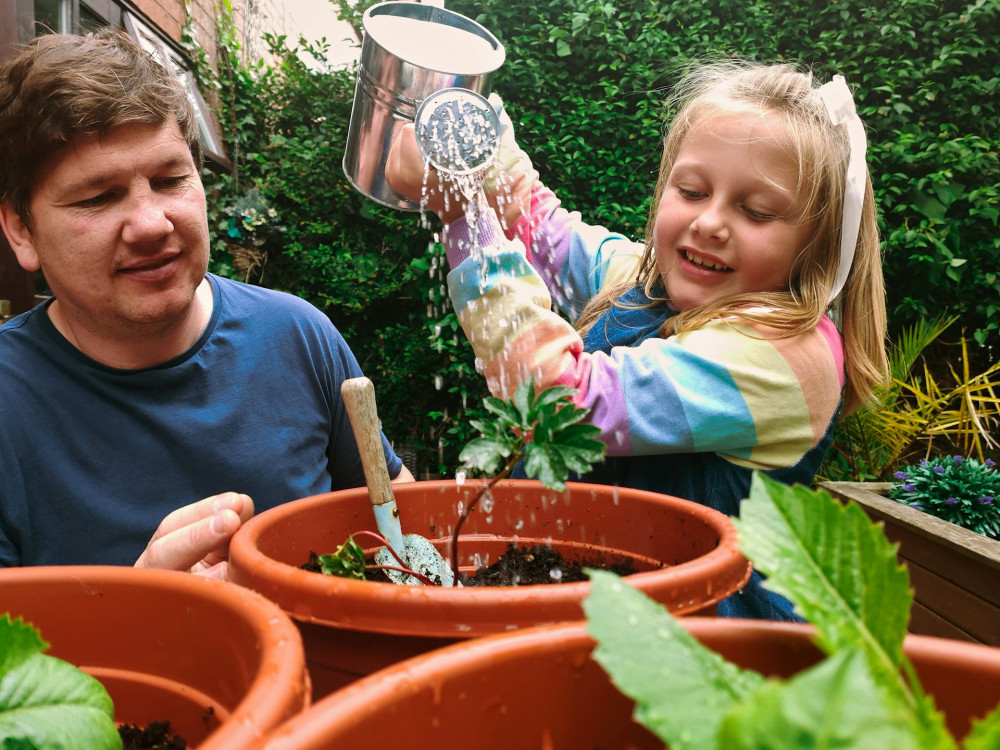
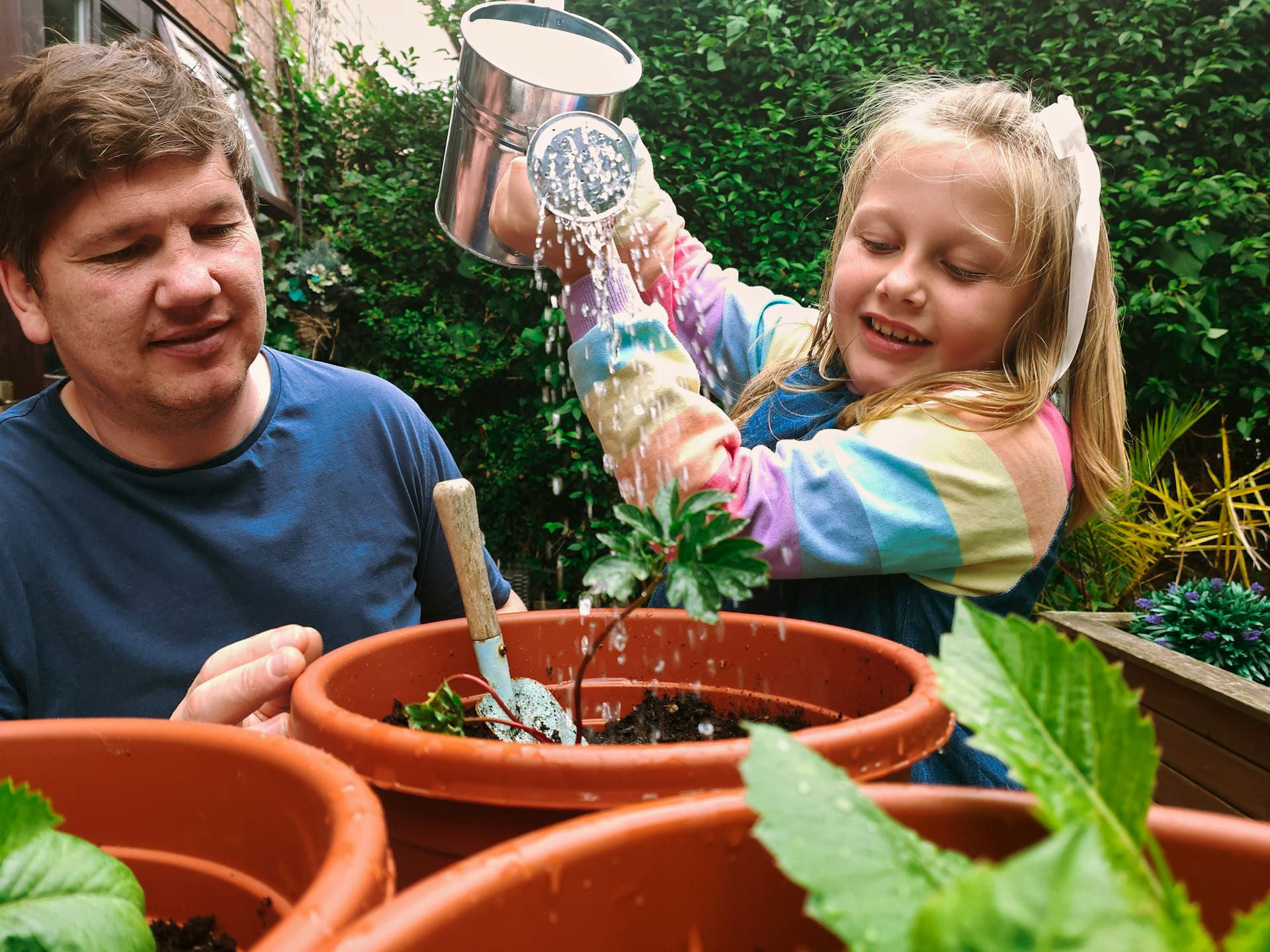
You can also give kids small responsibilities—like sorting recyclables, tending a vegetable garden, or managing the family’s compost bin. It gives them a sense of ownership and pride in contributing to something meaningful.
Build New Habits Together
Sustainability is really about habits. It’s hard to change everything at once, so start with a few areas where you can make a difference:
- Food – Try meatless meals a few times a week and plan menus to reduce food waste.
- Transportation – Walk, bike, or use public transit when possible.
- Consumption – Buy fewer but higher-quality items, and repair instead of replacing.
- Energy – Turn off lights and electronics when not in use, and consider renewable energy options.
Make small, realistic agreements that everyone can remember and support. Doing a little consistently is better than trying to do everything at once.
Celebrate Your Progress
When you reach a goal—big or small—celebrate it! Maybe you’ve cut your trash in half, grown your first tomatoes, or gone a month without food waste. Mark the achievement with a family activity everyone enjoys. It keeps motivation high and shows that your efforts matter.
You can also keep a “green journal” or hang a progress chart on the fridge to track your successes. It helps kids see that their actions have real impact.
Make It Part of Your Family Culture
When sustainability becomes part of your family’s values, it influences everything—from shopping and vacations to hobbies and celebrations. It’s not about being perfect; it’s about taking responsibility together. Over time, your children will carry those values with them—and maybe even inspire others.
Making sustainability a family project is ultimately about creating meaning, connection, and hope. It’s an investment in your daily life and in the world your children will inherit.
Læs også: