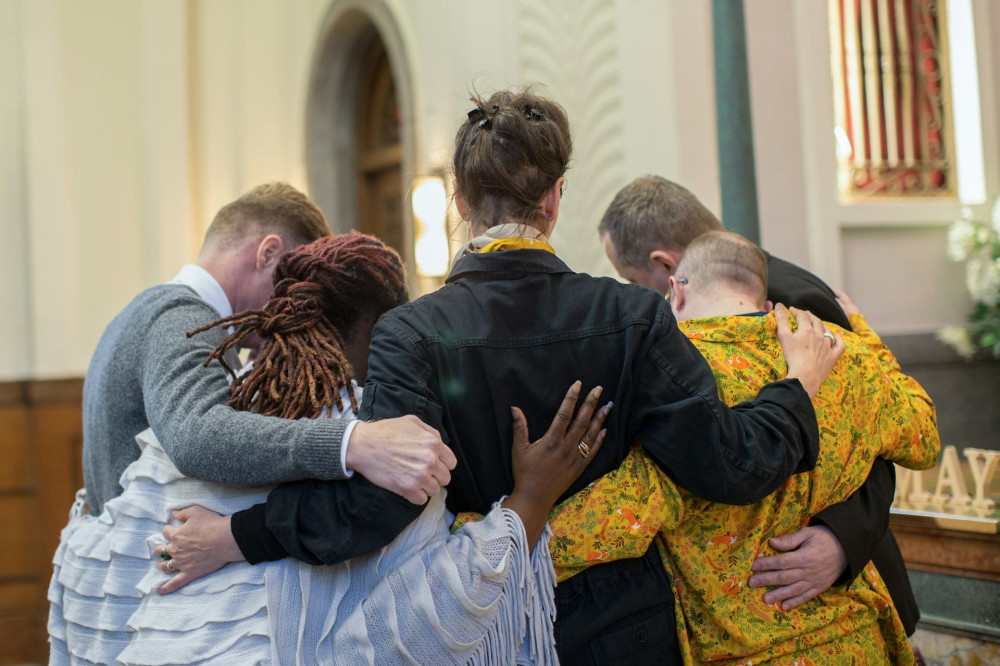
Fathers and Sons in Grief – Different Expressions, Shared Understanding

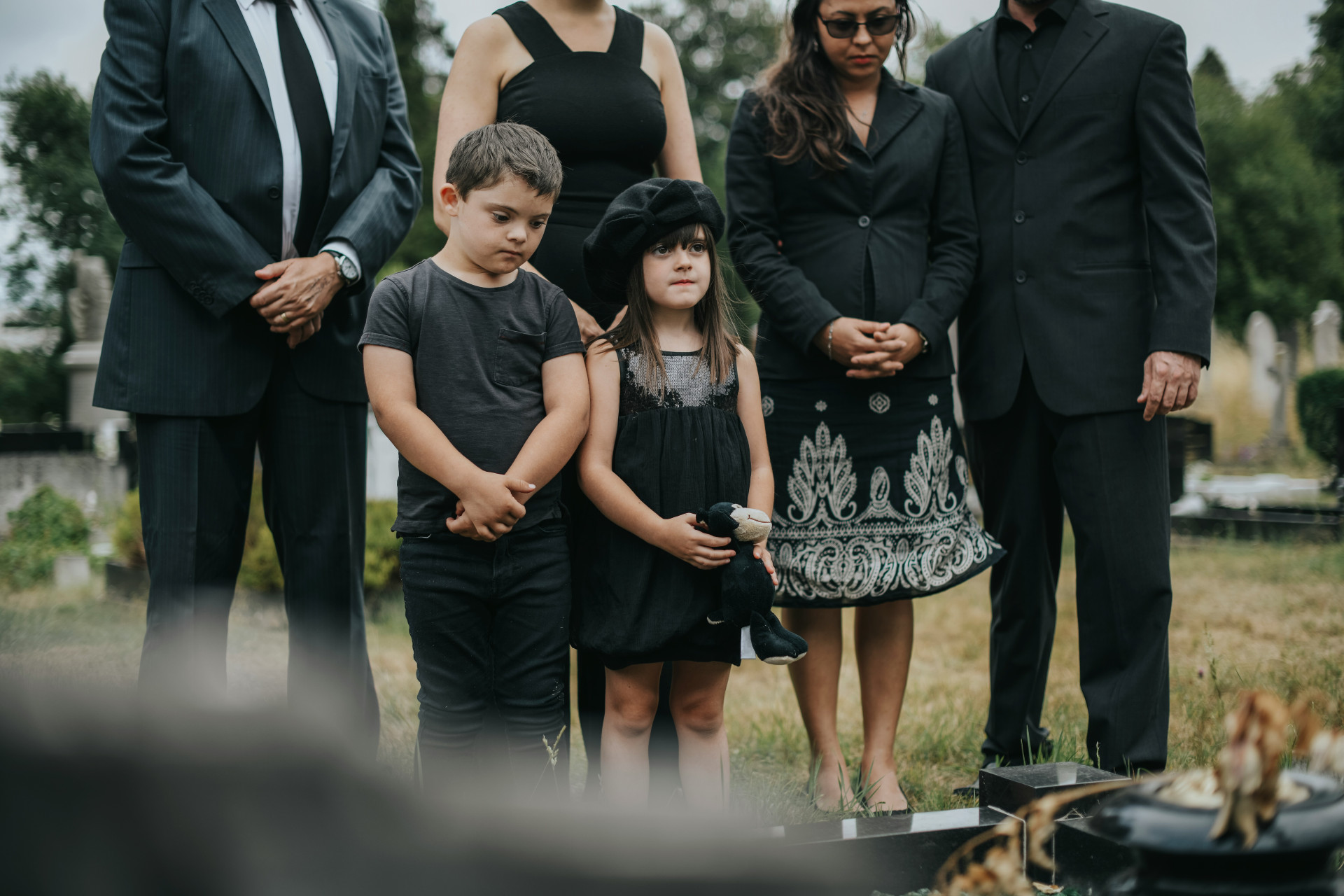
Fathers and Sons in Grief – Different Expressions, Shared Understanding
When loss strikes, it rarely looks the same for everyone. For many men—both fathers and sons—grief can be difficult to express in words. Instead, emotions often surface through actions, silence, or a focus on practical tasks. Yet behind these different expressions lies a shared need to be understood and supported—especially by one another.
Men’s Grief – Quiet, but Not Empty
Research and experience show that men often process grief differently than women. While some find comfort in talking and sharing, others turn inward, working through their pain by staying busy or keeping routines. This doesn’t mean their feelings are less deep—only that they take a different form.
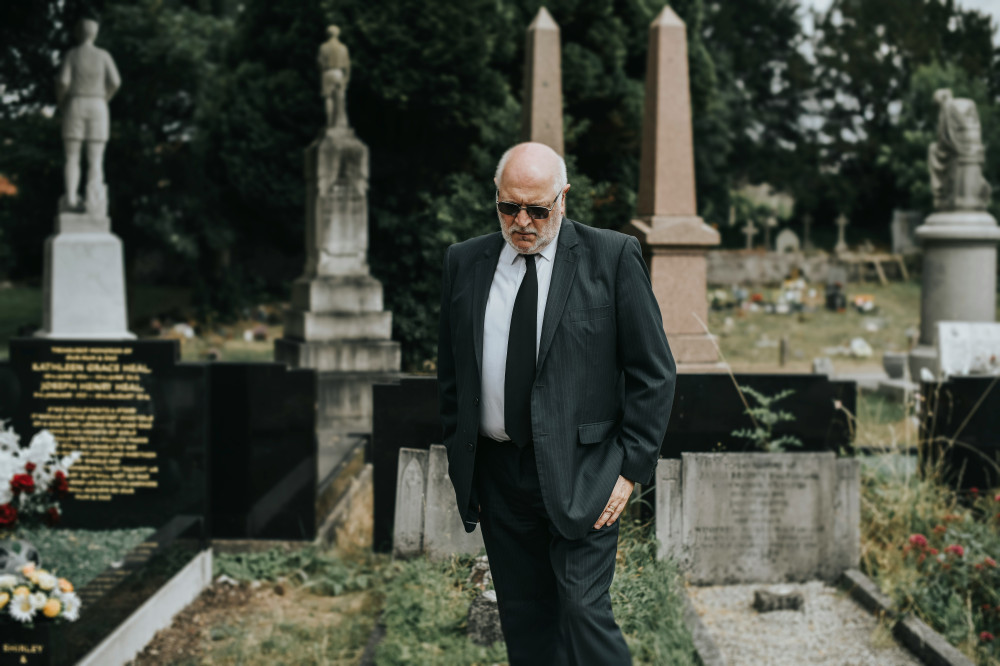
A father who loses his spouse might throw himself into fixing things around the house, trying to create order in the midst of chaos. A son who loses his father might struggle to show vulnerability, believing that strength means staying composed. Both are grieving, but in ways that can be hard for the other to recognize.
When Generations Grieve Together—and Apart
Grief within a family can bring both distance and closeness. Fathers and sons who already communicate sparingly may find the silence even heavier after a loss. At the same time, grief can open the door to new kinds of connection—if someone dares to take the first step.
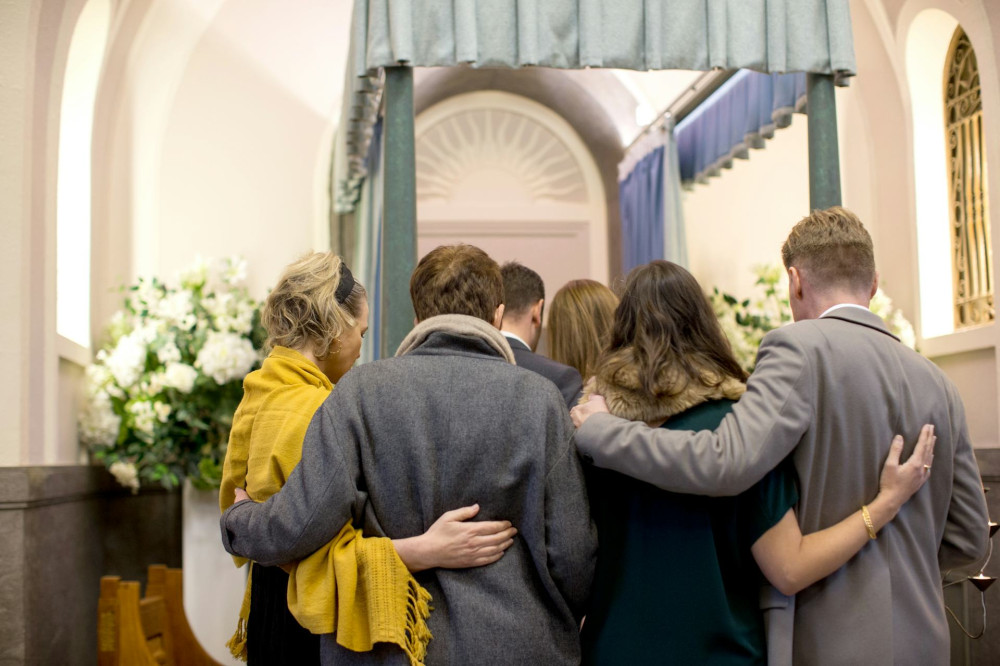
Sharing memories, looking through old photos, or simply spending quiet time together can be ways of showing support without needing many words. For many men, it’s not about talking a lot, but about being present—showing that neither is alone in the pain.
Læs også:



Different Expressions, Same Need
There is no single “right” way to grieve. Some find comfort in conversation, others in action. Some turn to nature, others to community. What matters most is recognizing that while grief may look different from person to person, the need for understanding and compassion is universal.
When fathers and sons meet each other with respect for those differences, they create space where both can feel seen. It takes courage to show vulnerability—but also courage to accept another’s way of grieving.
Finding Common Ground in Loss
A shared loss can become an opportunity to know each other more deeply. Many discover that grief, when shared, can strengthen their bond. It might happen in small moments: a walk together, a quiet talk over coffee, or simply a look that says, “I get it.”
Professional support can also help. Men’s grief groups, counseling, or shared activities can offer new ways to express and understand loss. The goal isn’t to change how one grieves, but to find a path where both can be themselves—together.
Shared Understanding as Healing
When fathers and sons dare to meet each other in grief, a special kind of understanding can emerge. It doesn’t always rely on words, but on mutual respect and presence. Seeing that the other is also struggling can create a sense of connection that reaches beyond the loss itself.
Grief changes us, but it can also unite us. And perhaps it’s in those differences that fathers and sons can find their deepest shared understanding—a quiet but powerful way of saying, “I’m here. We’ll get through this together.”
Læs også: